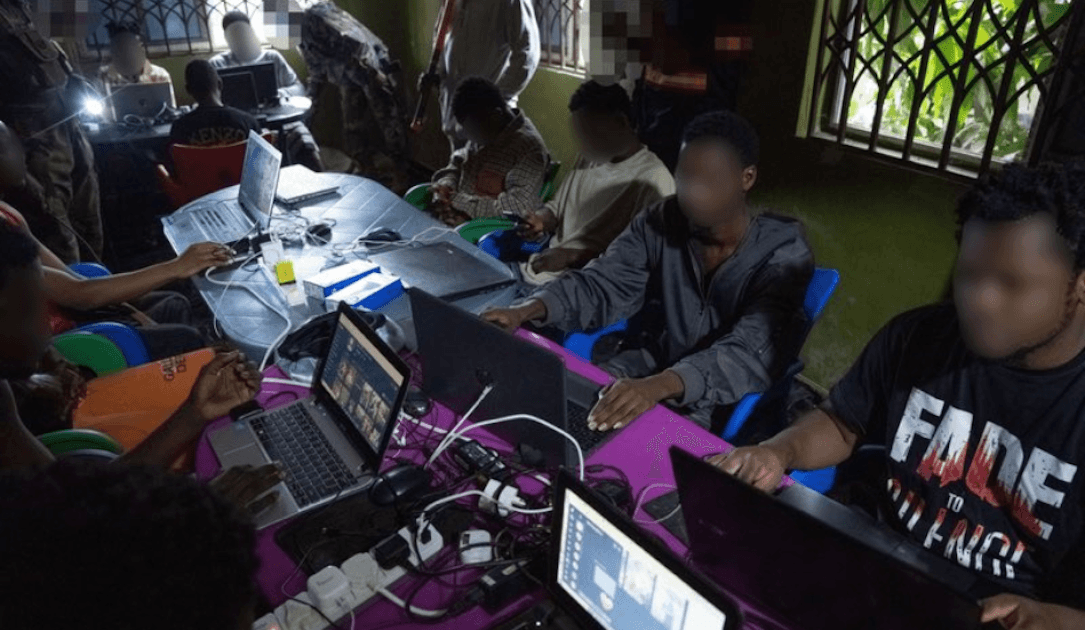
West African scam compounds raided, more than 100 suspected trafficking victims ‘rescued’
More than two dozen people were arrested by police in Ghana and Nigeria as part of a U.K.-hosted operation that also included tech companies.
Continuous enterprise threat intelligence tracking active in-the-wild zero-days (CISA KEV), Microsoft Windows KB cumulative updates, MSRC security advisories, and CVE remediation.
More than two dozen people were arrested by police in Ghana and Nigeria as part of a U.K.-hosted operation that also included tech companies.
Ivanti urged customers on Tuesday to immediately patch an actively exploited zero-day vulnerability in the Ivanti Connect Secure (ICS) remote access gateway. [...]
Docker has disclosed a critical vulnerability (CVE-2026-105445) in Docker Hub that let attackers access another user's container repositories using a personal access token (PAT). [...]
North Korean hackers have been targeting Ukrainian experts in diplomacy, security and international policy amid Pyongyang’s growing military cooperation with Russia.
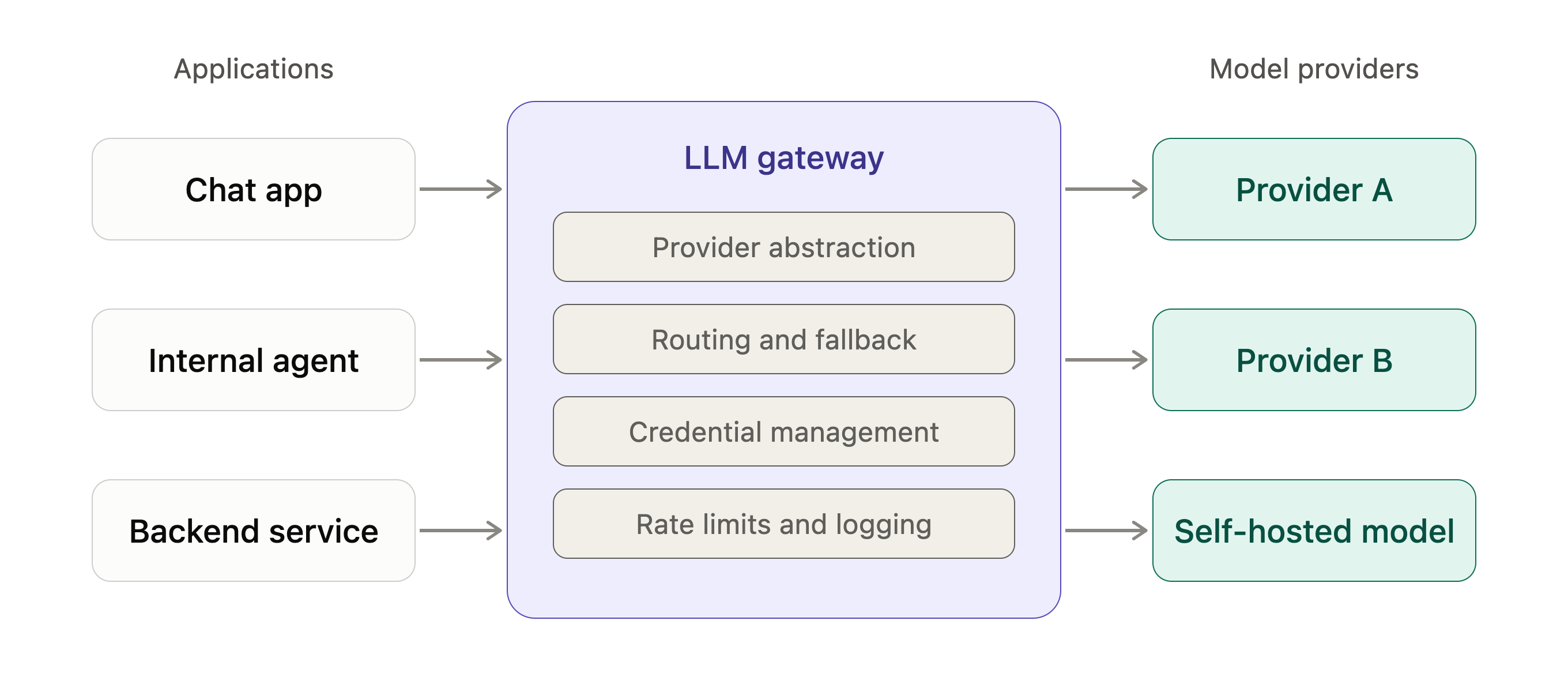
TL;DR; Our security assessment of LiteLLM (v1.77.7), a widely used open-source LLM gateway, uncovered multiple high-impact vulnerabilities (tracked as CVE-2026-35029 , CVE-2026-59823) which have been resolved as of LiteLLM version 1.83.9. The most significant issues stemmed from a missing authorization check on the /config/update endpoint, which allowed any …
Anthropic researchers show how small AI models could autonomously replicate across IoT devices, raising concerns about adaptive, AI-powered botnets. Anthropic published a paper this week that should make anyone who manages IoT infrastructure sit down for a moment. The research shows that small AI models are approaching the capability to replicate themselves …
Attackers continue exploiting gaps in MFA coverage, using stolen credentials to access VPNs, RDP, and Windows systems that still rely on passwords alone. Specops explains why protecting cloud applications isn't enough and how organizations can close these authentication gaps. [...]
Starting with Windows updates released on and after October 13, 2026, Microsoft is making hardening changes to the [Resilient File System (ReFS)](https://learn.microsoft.com/windows-server/storage/refs/refs-overview). This change is not enable by default until 2027. Please see [Hardening changes for ReFS volumes on removable media](https://support.microsoft.com/en-us/servicing/os/windows/docs/2026/10/hardening-changes-for-refs-volumes-on-removable-media) for more information.
Several Europe-based retail firms have confirmed experiencing cyber incidents, while H&M said it is “investigating” such claims
Incorrect permission assignment for critical resource in Windows Mobile Broadband allows an authorized attacker to elevate privileges locally.
Stack-based buffer overflow in SQL Server allows an authorized attacker to elevate privileges over a network.
Missing authentication for critical function in Windows Health and Optimized Experiences Service allows an authorized attacker to disclose information locally.
Out-of-bounds read in Microsoft Office Access allows an unauthorized attacker to disclose information over a network.
Heap-based buffer overflow in Windows Bluetooth Port Driver allows an authorized attacker to elevate privileges locally.
Untrusted pointer dereference in Windows Error Reporting allows an authorized attacker to elevate privileges locally.
Improper verification of cryptographic signature in Windows Update Stack allows an authorized attacker to perform spoofing locally.
Use after free in Windows Kernel allows an authorized attacker to elevate privileges locally.
Improper link resolution before file access ('link following') in Windows Update Orchestrator Service allows an authorized attacker to elevate privileges locally.
Insufficient verification of data authenticity in Windows DHCP Server allows an authorized attacker to bypass a security feature locally.
Absolute path traversal in Windows Encrypting File System (EFS) allows an authorized attacker to elevate privileges over a network.
Use after free in Windows CCFFilter Driver allows an unauthorized attacker to execute code over a network.
Heap-based buffer overflow in Windows Installer allows an authorized attacker to elevate privileges locally.
Out-of-bounds read in Microsoft Bluetooth Driver allows an unauthorized attacker to elevate privileges with a physical attack.
Concurrent execution using shared resource with improper synchronization ('race condition') in Windows Installer allows an authorized attacker to elevate privileges locally.