Threat Wire
BleepingComputer [Critical] FBI links $6.3 billion Binance crypto heist to North Korean hackers BleepingComputer [Critical] Alpine Linux rebuilds GitLab after attempted RCE attack CVE-2026-118539 [Critical] Security Affairs newsletter Round 602 by Pierluigi Paganini – INTERNATIONAL EDITION CVE-2026-58882 [Critical] SMS of Death: Android under attack, an invisible SMS can block calls and emergency services The Hacker News [Critical] CVSS 10.0 LXD, MicroCloud Flaw Lets Attackers Impersonate Trusted Clients Without a Private Key The Hacker News [Critical] FBI Links North Korea's TraderTraitor to Record $6.43 Billion Binance Crypto Heist CVE-2026-111357 [Critical] U.S. CISA adds Ivanti Connect Secure flaws to its Known Exploited Vulnerabilities catalog BleepingComputer [Critical] Northflank security breach leads to abuse of customers' AI API keys BleepingComputer [Critical] FBI links $6.3 billion Binance crypto heist to North Korean hackers BleepingComputer [Critical] Alpine Linux rebuilds GitLab after attempted RCE attack CVE-2026-118539 [Critical] Security Affairs newsletter Round 602 by Pierluigi Paganini – INTERNATIONAL EDITION CVE-2026-58882 [Critical] SMS of Death: Android under attack, an invisible SMS can block calls and emergency services The Hacker News [Critical] CVSS 10.0 LXD, MicroCloud Flaw Lets Attackers Impersonate Trusted Clients Without a Private Key The Hacker News [Critical] FBI Links North Korea's TraderTraitor to Record $6.43 Billion Binance Crypto Heist CVE-2026-111357 [Critical] U.S. CISA adds Ivanti Connect Secure flaws to its Known Exploited Vulnerabilities catalog BleepingComputer [Critical] Northflank security breach leads to abuse of customers' AI API keys

CyberWatch Newsroom Live Intel

Continuous enterprise threat intelligence tracking active in-the-wild zero-days (CISA KEV), Microsoft Windows KB cumulative updates, MSRC security advisories, and CVE remediation.

Last Checked: Nov 2, 2026 - 02:28:59 UTC (Hourly Auto-Sync Active)
Showing 24 of 5,807 advisories
Page 115 of 242
Meta’s Muse sent a Facebook Marketplace buyer to a seller’s home Moderate Malwarebytes Labs
2026-09-29 Malwarebytes Labs

Meta’s Muse sent a Facebook Marketplace buyer to a seller’s home

A Facebook Marketplace buyer arrived at a seller’s apartment to collect a keyboard. The seller wasn’t home and didn’t know anyone was coming. Meta’s AI assistant Muse had handled the conversation, shared his address, and arranged the visit without telling him. We often write about AI misalignment and how to use AI agents and browsers safely. That can sound t…

Fix: Review advisory findings, isolate suspect endpoints, and verify threat signatures.
Meta gives small businesses an AI agent that knows their work Moderate Help Net Security
2026-09-29 Help Net Security

Meta gives small businesses an AI agent that knows their work

Meta has introduced Muse for Small Business, adding skills and connectors to its personal AI agent to help business owners get work done using the tools they already use. Muse launched earlier this month in the US and Canada and can complete tasks on a user’s behalf. Business owners can connect Muse to their Instagram professional account analytics, Facebook…

Fix: Review advisory findings, isolate suspect endpoints, and verify threat signatures.
Vega II brings security-trained AI and lasting memory to the SOC Moderate Help Net Security
2026-09-29 Help Net Security

Vega II brings security-trained AI and lasting memory to the SOC

Vega has introduced Vega II, its biggest platform release since emerging from stealth. The update brings frontier AI trained for security operations into the SOC, gives teams a lasting record of what they have learned, and removes the legacy SIEM and data pipeline barriers that have kept vital information out of reach. With Vega II, every security team has t…

Fix: Review advisory findings, isolate suspect endpoints, and verify threat signatures.
Arizona Supreme Court says hackers stole residents’ personal data Important The Record by Recorded Future
2026-09-29 The Record by Recorded Future

Arizona Supreme Court says hackers stole residents’ personal data

A spokesperson for the court system told Recorded Future News that the incident did not involve ransomware and the hackers have not issued ransom demands for the stolen data as of Monday.

Fix: Review advisory findings, isolate suspect endpoints, and verify threat signatures.
Anjvision YSSD-RTMP-H5 Important CISA Advisory
2026-09-29 CISA Advisory

Anjvision YSSD-RTMP-H5

View CSAF Summary Successful exploitation of these vulnerabilities could allow an attacker to access sensitive information, access user accounts, execute OS-level commands, or take full control over the device. The following versions of Anjvision YSSD-RTMP-H5 are affected: YSSD-RTMP-H5 firmware 3.3.2.4_build_2024-12-26 (CVE-2026-100291, CVE-2026-100292, CVE-2026-100293, CVE-2026-100294, CVE-2026-100295, CVE-2026-100296, CVE-2026-100297, CVE-2026-100298, CVE-2026-100299) CVSS Vendor Equipment Vulnerabilities v3 9.8 Anjvision Anjvision YSSD-RTMP-H5 Initialization of a Resource with an Insecure Default, Improper Neutralization of Special Elements used in an OS Command ('OS Command Injection'), Improper Verification of Cryptographic Signature, Use of Hard-coded Credentials, Active Debug Code, Improper Check for Unusual or Exceptional Conditions, Server-Side Request Forgery (SSRF), Insufficiently Protected Credentials, Use of Weak Credentials Background Critical Infrastructure Sectors: Commercial Facilities Countries/Areas Deployed: Worldwide Company Headquarters Location: China Vulnerabilities Expand All + CVE-2026-100291 In Anjvision YSSD‑RTMP‑H5 firmware version 3.3.2.4, several ONVIF service endpoints process management requests without enforcing required authentication. This could allow an unauthorized attacker to access sensitive device operations. View CVE Details Affected Products Anjvision YSSD-RTMP-H5 Vendor: Anjvision Product Version: Anjvision YSSD-RTMP-H5 firmware: 3.3.2.4_build_2024-12-26 Product Status: known_affected Remediations No fix planned Anjvision has not responded to requests to work with CISA to mitigate these vulnerabilities. Users of affected versions of YSSD-RTMP-H5 are invited to contact Anjvision customer support for additional information http://www.anjvision.com/problem/list-129-cn.html . Relevant CWE: CWE-1188 Initialization of a Resource with an Insecure Default Metrics CVSS Version Base Score Base Severity Vector String 3.1 9.8 CRITICAL CVSS:3.1/AV:N/AC:L/PR:N/UI:N/S:U/C:H/I:H/A:H 4.0 9.3 CRITICAL CVSS:4.0/AV:N/AC:L/AT:N/PR:N/UI:N/VC:H/VI:H/VA:H/SC:N/SI:N/SA:N CVE-2026-100292 In Anjvision YSSD‑RTMP‑H5 firmware version 3.3.2.4, a hidden debug interface can be enabled through an authenticated request, allowing additional commands to be sent to a backend service. Once active, this pathway can unintentionally expose system‑level functionality that could be misused if crafted inputs reach the underlying command handler. View CVE Details Affected Products Anjvision YSSD-RTMP-H5 Vendor: Anjvision Product Version: Anjvision YSSD-RTMP-H5 firmware: 3.3.2.4_build_2024-12-26 Product Status: known_affected Remediations No fix planned Anjvision has not responded to requests to work with CISA to mitigate these vulnerabilities. Users of affected versions of YSSD-RTMP-H5 are invited to contact Anjvision customer support for additional information http://www.anjvision.com/problem/list-129-cn.html . Relevant CWE: CWE-78 Improper Neutralization of Special Elements used in an OS Command ('OS Command Injection') Metrics CVSS Version Base Score Base Severity Vector String 3.1 8.8 HIGH CVSS:3.1/AV:N/AC:L/PR:L/UI:N/S:U/C:H/I:H/A:H 4.0 8.7 HIGH CVSS:4.0/AV:N/AC:L/AT:N/PR:L/UI:N/VC:H/VI:H/VA:H/SC:N/SI:N/SA:N CVE-2026-100293 In Anjvision YSSD‑RTMP‑H5 firmware version 3.3.2.4, both the local and cloud update mechanisms apply new firmware without any cryptographic verification, relying only on basic hashing. This design allows an attacker who can reach the update routine to introduce untrusted firmware images that the device will accept as valid. View CVE Details Affected Products Anjvision YSSD-RTMP-H5 Vendor: Anjvision Product Version: Anjvision YSSD-RTMP-H5 firmware: 3.3.2.4_build_2024-12-26 Product Status: known_affected Remediations No fix planned Anjvision has not responded to requests to work with CISA to mitigate these vulnerabilities. Users of affected versions of YSSD-RTMP-H5 are invited to contact Anjvision customer support for additional information http://www.anjvision.com/problem/list-129-cn.html . Relevant CWE: CWE-347 Improper Verification of Cryptographic Signature Metrics CVSS Version Base Score Base Severity Vector String 3.1 8.8 HIGH CVSS:3.1/AV:N/AC:L/PR:L/UI:N/S:U/C:H/I:H/A:H 4.0 8.7 HIGH CVSS:4.0/AV:N/AC:L/AT:N/PR:L/UI:N/VC:H/VI:H/VA:H/SC:N/SI:N/SA:N CVE-2026-100294 In Anjvision YSSD‑RTMP‑H5 firmware version 3.3.2.4, the firmware embeds hardcoded cloud‑API credentials that are shared across deployed devices. Anyone obtaining the public firmware package can reuse these values to interact with the cloud service in ways not intended for normal operation. View CVE Details Affected Products Anjvision YSSD-RTMP-H5 Vendor: Anjvision Product Version: Anjvision YSSD-RTMP-H5 firmware: 3.3.2.4_build_2024-12-26 Product Status: known_affected Remediations No fix planned Anjvision has not responded to requests to work with CISA to mitigate these vulnerabilities. Users of affected versions of YSSD-RTMP-H5 are invited to contact Anjvision customer support for additional information http://www.anjvision.com/problem/list-129-cn.html . Relevant CWE: CWE-798 Use of Hard-coded Credentials Metrics CVSS Version Base Score Base Severity Vector String 3.1 7.5 HIGH CVSS:3.1/AV:N/AC:L/PR:N/UI:N/S:U/C:H/I:N/A:N 4.0 8.7 HIGH CVSS:4.0/AV:N/AC:L/AT:N/PR:N/UI:N/VC:H/VI:N/VA:N/SC:N/SI:N/SA:N CVE-2026-100295 In Anjvision YSSD‑RTMP‑H5 firmware version 3.3.2.4, an internal debug interface can be enabled through an undocumented pathway, exposing functions not intended for normal operation. When activated, this interface allows actions that could unintentionally provide elevated system access. View CVE Details Affected Products Anjvision YSSD-RTMP-H5 Vendor: Anjvision Product Version: Anjvision YSSD-RTMP-H5 firmware: 3.3.2.4_build_2024-12-26 Product Status: known_affected Remediations No fix planned Anjvision has not responded to requests to work with CISA to mitigate these vulnerabilities. Users of affected versions of YSSD-RTMP-H5 are invited to contact Anjvision customer support for additional information http://www.anjvision.com/problem/list-129-cn.html . Relevant CWE: CWE-489 Active Debug Code Metrics CVSS Version Base Score Base Severity Vector String 3.1 6.3 MEDIUM CVSS:3.1/AV:N/AC:L/PR:L/UI:N/S:U/C:L/I:L/A:L 4.0 7.1 HIGH CVSS:4.0/AV:N/AC:L/AT:N/PR:L/UI:N/VC:L/VI:H/VA:N/SC:N/SI:N/SA:N CVE-2026-100296 In Anjvision YSSD-RTMP-H5 firmware version 3.3.2.4, an empty-body POST to /setUserConfig, dispatched through the web server's SOAP-RPC handler, silently downgrades the administrator password to the default value and corrupts the in-memory authentication state until the device reloads. The handler does not verify the session's privilege level, so any authenticated user can trigger it. View CVE Details Affected Products Anjvision YSSD-RTMP-H5 Vendor: Anjvision Product Version: Anjvision YSSD-RTMP-H5 firmware: 3.3.2.4_build_2024-12-26 Product Status: known_affected Remediations No fix planned Anjvision has not responded to requests to work with CISA to mitigate these vulnerabilities. Users of affected versions of YSSD-RTMP-H5 are invited to contact Anjvision customer support for additional information http://www.anjvision.com/problem/list-129-cn.html. Relevant CWE: CWE-754 Improper Check for Unusual or Exceptional Conditions Metrics CVSS Version Base Score Base Severity Vector String 3.1 8.1 HIGH CVSS:3.1/AV:N/AC:L/PR:L/UI:N/S:U/C:N/I:H/A:H 4.0 7.2 HIGH CVSS:4.0/AV:N/AC:L/AT:N/PR:L/UI:N/VC:N/VI:H/VA:H/SC:N/SI:N/SA:N CVE-2026-100297 In Anjvision YSSD‑RTMP‑H5 firmware version 3.3.2.4, an unauthenticated network check function can be triggered to probe arbitrary hosts from the device's internal network. This may expose internal information or leak data via DNS queries. View CVE Details Affected Products Anjvision YSSD-RTMP-H5 Vendor: Anjvision Product Version: Anjvision YSSD-RTMP-H5 firmware: 3.3.2.4_build_2024-12-26 Product Status: known_affected Remediations No fix planned Anjvision has not responded to requests to work with CISA to mitigate these vulnerabilities. Users of affected versions of YSSD-RTMP-H5 are invited to contact Anjvision customer support for additional information http://www.anjvision.com/problem/list-129-cn.html. Relevant CWE: CWE-918 Server-Side Request Forgery (SSRF) Metrics CVSS Version Base Score Base Severity Vector String 3.1 5.3 MEDIUM CVSS:3.1/AV:N/AC:L/PR:N/UI:N/S:U/C:L/I:N/A:N 4.0 6.9 MEDIUM CVSS:4.0/AV:N/AC:L/AT:N/PR:N/UI:N/VC:L/VI:N/VA:N/SC:N/SI:N/SA:N CVE-2026-100298 In Anjvision YSSD‑RTMP‑H5 firmware version 3.3.2.4, two user‑information endpoints can reveal sensitive device and account details under conditions that are not intended for normal operation. View CVE Details Affected Products Anjvision YSSD-RTMP-H5 Vendor: Anjvision Product Version: Anjvision YSSD-RTMP-H5 firmware: 3.3.2.4_build_2024-12-26 Product Status: known_affected Remediations No fix planned Anjvision has not responded to requests to work with CISA to mitigate these vulnerabilities. Users of affected versions of YSSD-RTMP-H5 are invited to contact Anjvision customer support for additional information http://www.anjvision.com/problem/list-129-cn.html. Relevant CWE: CWE-522 Insufficiently Protected Credentials Metrics CVSS Version Base Score Base Severity Vector String 3.1 8.8 HIGH CVSS:3.1/AV:N/AC:L/PR:L/UI:N/S:U/C:H/I:H/A:H 4.0 8.7 HIGH CVSS:4.0/AV:N/AC:L/AT:N/PR:L/UI:N/VC:H/VI:H/VA:H/SC:N/SI:N/SA:N CVE-2026-100299 In Anjvision YSSD‑RTMP‑H5 firmware version 3.3.2.4, the device includes a legacy password hash on the serial console that relies on a weak DES‑based encryption. View CVE Details Affected Products Anjvision YSSD-RTMP-H5 Vendor: Anjvision Product Version: Anjvision YSSD-RTMP-H5 firmware: 3.3.2.4_build_2024-12-26 Product Status: known_affected Remediations No fix planned Anjvision has not responded to requests to work with CISA to mitigate these vulnerabilities. Users of affected versions of YSSD-RTMP-H5 are invited to contact Anjvision customer support for additional information http://www.anjvision.com/problem/list-129-cn.html. Relevant CWE: CWE-1391 Use of Weak Credentials Metrics CVSS Version Base Score Base Severity Vector String 3.1 6.8 MEDIUM CVSS:3.1/AV:P/AC:L/PR:N/UI:N/S:U/C:H/I:H/A:H 4.0 7 HIGH CVSS:4.0/AV:P/AC:L/AT:N/PR:N/UI:N/VC:H/VI:H/VA:H/SC:N/SI:N/SA:N Acknowledgments Andrew Lee reported these vulnerabilities to CISA. Legal Notice and Terms of Use This product is provided subject to this Notification ( https://www.cisa.gov/notification ) and this Privacy & Use policy ( https://www.cisa.gov/privacy-policy ). Recommended Practices CISA recommends users take defensive measures to minimize the risk of exploitation of these vulnerabilities. Minimize network exposure for all control system devices and/or systems, ensuring they are not accessible from the internet. Locate control system networks and remote devices behind firewalls and isolating them from business networks. When remote access is required, use more secure methods, such as Virtual Private Networks (VPNs), recognizing VPNs may have vulnerabilities and should be updated to the most current version available. Also recognize VPN is only as secure as the connected devices. CISA reminds organizations to perform proper impact analysis and risk assessment prior to deploying defensive measures. CISA also provides a section for control systems security recommended practices on the ICS webpage on cisa.gov/ics. Several CISA products detailing cyber defense best practices are available for reading and download, including Improving Industrial Control Systems Cybersecurity with Defense-in-Depth Strategies. CISA encourages organizations to implement recommended cybersecurity strategies for proactive defense of ICS assets. Additional no_fix_planned guidance and recommended practices are publicly available on the ICS webpage at cisa.gov/ics in the technical information paper, ICS-TIP-12-146-01B--Targeted Cyber Intrusion Detection and no_fix_planned Strategies. Organizations observing suspected malicious activity should follow established internal procedures and report findings to CISA for tracking and correlation against other incidents. CISA also recommends users take the following measures to protect themselves from social engineering attacks: Do not click web links or open attachments in unsolicited email messages. Refer to Recognizing and Avoiding Email Scams for more information on avoiding email scams. Refer to Avoiding Social Engineering and Phishing Attacks for more information on social engineering attacks. No known public exploitation specifically targeting these vulnerabilities has been reported to CISA at this time. Revision History Initial Release Date: 2026-09-29 Date Revision Summary 2026-09-29 1 Initial Publication Legal Notice and Terms of Use

Fix: Review CISA guidance and apply vendor security updates immediately.

Viidure Dashcam Android Application Important CISA Advisory
2026-09-29 CISA Advisory

Viidure Dashcam Android Application

View CSAF Summary Successful exploitation of these vulnerabilities could allow attackers to access, modify, or delete sensitive user data and critical system files, potentially compromising the operation of the entire platform. The following versions of Viidure Dashcam Android Application are affected: Dashcam Android Application CVSS Vendor Equipment Vulnerabilities v3 10 Viidure Viidure Dashcam Android Application Incorrect Permission Assignment for Critical Resource, Use of Hard-coded Credentials Background Critical Infrastructure Sectors: Transportation Systems Countries/Areas Deployed: Worldwide Company Headquarters Location: China Vulnerabilities Expand All + CVE-2026-94204 The central cloud storage backend for the entire dashcam platform is misconfigured with public‑read permissions, allowing unrestricted access to all stored objects. Because this bucket serves as shared storage for the platform, sensitive user records, live dashcam footage, application packages, and firmware files are exposed to anyone on the internet. View CVE Details Affected Products Viidure Dashcam Android Application Vendor: Viidure Product Version: Viidure Dashcam Android Application: Product Status: known_affected Remediations No fix planned Viidure did not respond to CISA's coordination attempts. Users of affected versions of the Viidure Dashcam Android Application are advised to contact Viidure customer support for additional information https://viidure.app/. Relevant CWE: CWE-732 Incorrect Permission Assignment for Critical Resource Metrics CVSS Version Base Score Base Severity Vector String 3.1 7.5 HIGH CVSS:3.1/AV:N/AC:L/PR:N/UI:N/S:U/C:H/I:N/A:N 4.0 8.7 HIGH CVSS:4.0/AV:N/AC:L/AT:N/PR:N/UI:N/VC:H/VI:N/VA:N/SC:N/SI:N/SA:N CVE-2026-96587 The Viidure Android application embeds permanent, plaintext cloud storage credentials within its compiled code. These credentials provide full access to critical platform storage, including the ability to read, modify, or delete operational files such as firmware and application binaries. View CVE Details Affected Products Viidure Dashcam Android Application Vendor: Viidure Product Version: Viidure Dashcam Android Application: Product Status: known_affected Remediations No fix planned Viidure did not respond to CISA's coordination attempts. Users of affected versions of the Viidure Dashcam Android Application are advised to contact Viidure customer support for additional information https://viidure.app/. Relevant CWE: CWE-798 Use of Hard-coded Credentials Metrics CVSS Version Base Score Base Severity Vector String 3.1 10 CRITICAL CVSS:3.1/AV:N/AC:L/PR:N/UI:N/S:C/C:H/I:H/A:H 4.0 10 CRITICAL CVSS:4.0/AV:N/AC:L/AT:N/PR:N/UI:N/VC:H/VI:H/VA:H/SC:H/SI:H/SA:H Acknowledgments Bugrahan Karahan reported these vulnerabilities to CISA. Legal Notice and Terms of Use This product is provided subject to this Notification ( https://www.cisa.gov/notification ) and this Privacy & Use policy ( https://www.cisa.gov/privacy-policy ). Recommended Practices CISA recommends users take defensive measures to minimize the risk of exploitation of these vulnerabilities. Minimize network exposure for all control system devices and/or systems, ensuring they are not accessible from the internet. Locate control system networks and remote devices behind firewalls and isolating them from business networks. When remote access is required, use more secure methods, such as Virtual Private Networks (VPNs), recognizing VPNs may have vulnerabilities and should be updated to the most current version available. Also recognize VPN is only as secure as the connected devices. CISA reminds organizations to perform proper impact analysis and risk assessment prior to deploying defensive measures. CISA also provides a section for control systems security recommended practices on the ICS webpage on cisa.gov/ics. Several CISA products detailing cyber defense best practices are available for reading and download, including Improving Industrial Control Systems Cybersecurity with Defense-in-Depth Strategies. CISA encourages organizations to implement recommended cybersecurity strategies for proactive defense of ICS assets. Additional mitigation guidance and recommended practices are publicly available on the ICS webpage at cisa.gov/ics in the technical information paper, ICS-TIP-12-146-01B--Targeted Cyber Intrusion Detection and Mitigation Strategies. Organizations observing suspected malicious activity should follow established internal procedures and report findings to CISA for tracking and correlation against other incidents. CISA also recommends users take the following measures to protect themselves from social engineering attacks: Do not click web links or open attachments in unsolicited email messages. Refer to Recognizing and Avoiding Email Scams for more information on avoiding email scams. Refer to Avoiding Social Engineering and Phishing Attacks for more information on social engineering attacks. No known public exploitation specifically targeting these vulnerabilities has been reported to CISA at this time. Revision History Initial Release Date: 2026-09-29 Date Revision Summary 2026-09-29 1 Initial Publication Legal Notice and Terms of Use

Fix: Review CISA guidance and apply vendor security updates immediately.

Baicells Nova 430H Important CISA Advisory
2026-09-29 CISA Advisory

Baicells Nova 430H

View CSAF Summary Successful exploitation of this vulnerability could allow an attacker to inject malformed messages which may lead to a denial-of-service condition. The following versions of Baicells Nova 430H are affected: Nova 430H eNodeB (model pBS3101SH) CVSS Vendor Equipment Vulnerabilities v3 7.4 Baicells Technologies Baicells Nova 430H Uncaught Exception Background Critical Infrastructure Sectors: Communications, Information Technology Countries/Areas Deployed: Worldwide Company Headquarters Location: United States Vulnerabilities Expand All + CVE-2026-96274 In Baicells Nova 430H, an unauthenticated device within radio range can send a malformed uplink message during connection setup that contains an invalid NAS payload. Because the eNodeB does not properly validate this payload, it forwards the message to the core network, which can trigger a shutdown of the signaling association for the cell. This results in a temporary service disruption until the eNodeB and core network re-establish connectivity. View CVE Details Affected Products Baicells Nova 430H Vendor: Baicells Technologies Product Version: Baicells Technologies Nova 430H eNodeB (model pBS3101SH): Product Status: known_affected Remediations No fix planned Baicells has not responded to requests to work with CISA to mitigate this vulnerability. Users of affected versions of Nova 430H eNodeB are invited to contact Baicells customer support for additional information ( https://www.baicells.com/contact-us). Relevant CWE: CWE-248 Uncaught Exception Metrics CVSS Version Base Score Base Severity Vector String 3.1 7.4 HIGH CVSS:3.1/AV:A/AC:L/PR:N/UI:N/S:C/C:N/I:N/A:H 4.0 8.3 HIGH CVSS:4.0/AV:A/AC:L/AT:N/PR:N/UI:N/VC:N/VI:N/VA:H/SC:N/SI:N/SA:H Acknowledgments Qiqing Huang reported this vulnerability to CISA. Legal Notice and Terms of Use This product is provided subject to this Notification ( https://www.cisa.gov/notification ) and this Privacy & Use policy ( https://www.cisa.gov/privacy-policy ). Recommended Practices CISA recommends users take defensive measures to minimize the risk of exploitation of this vulnerability. Minimize network exposure for all control system devices and/or systems, ensuring they are not accessible from the internet. Locate control system networks and remote devices behind firewalls and isolating them from business networks. When remote access is required, use more secure methods, such as Virtual Private Networks (VPNs), recognizing VPNs may have vulnerabilities and should be updated to the most current version available. Also recognize VPN is only as secure as the connected devices. CISA reminds organizations to perform proper impact analysis and risk assessment prior to deploying defensive measures. CISA also provides a section for control systems security recommended practices on the ICS webpage on cisa.gov/ics. Several CISA products detailing cyber defense best practices are available for reading and download, including Improving Industrial Control Systems Cybersecurity with Defense-in-Depth Strategies. CISA encourages organizations to implement recommended cybersecurity strategies for proactive defense of ICS assets. Additional mitigation guidance and recommended practices are publicly available on the ICS webpage at cisa.gov/ics in the technical information paper, ICS-TIP-12-146-01B--Targeted Cyber Intrusion Detection and Mitigation Strategies. Organizations observing suspected malicious activity should follow established internal procedures and report findings to CISA for tracking and correlation against other incidents. CISA also recommends users take the following measures to protect themselves from social engineering attacks: Do not click web links or open attachments in unsolicited email messages. Refer to Recognizing and Avoiding Email Scams for more information on avoiding email scams. Refer to Avoiding Social Engineering and Phishing Attacks for more information on social engineering attacks. This vulnerability is not exploitable remotely. No known public exploitation specifically targeting this vulnerability has been reported to CISA at this time. Revision History Initial Release Date: 2026-09-29 Date Revision Summary 2026-09-29 1 Initial Publication Legal Notice and Terms of Use

Fix: Review CISA guidance and apply vendor security updates immediately.

Toptech TMS7 and TopHAT Important CISA Advisory
2026-09-29 CISA Advisory

Toptech TMS7 and TopHAT

View CSAF Summary Successful exploitation of these vulnerabilities could allow an attacker to access critical data or execute arbitrary code. The following versions of Toptech TMS7 and TopHAT are affected: TMS7 7.6.3 (CVE-2026-71379, CVE-2026-70356, CVE-2026-72510, CVE-2026-63713, CVE-2026-68954, CVE-2026-68068, CVE-2026-72507, CVE-2026-71302, CVE-2026-69662, CVE-2026-71189) TopHAT 7.6.3 (CVE-2026-71379, CVE-2026-70356, CVE-2026-72510, CVE-2026-63713, CVE-2026-68954, CVE-2026-68068, CVE-2026-72507, CVE-2026-71302, CVE-2026-69662, CVE-2026-71189) CVSS Vendor Equipment Vulnerabilities v3 10 Toptech Systems Toptech TMS7 and TopHAT Files or Directories Accessible to External Parties, Unrestricted Upload of File with Dangerous Type, Improper Neutralization of Special Elements used in an SQL Command ('SQL Injection'), Session Fixation, Improper Neutralization of Directives in Dynamically Evaluated Code ('Eval Injection'), Improper Neutralization of Input During Web Page Generation ('Cross-site Scripting') Background Critical Infrastructure Sectors: Energy, Chemical, Transportation Systems Countries/Areas Deployed: Worldwide Company Headquarters Location: United States Vulnerabilities Expand All + CVE-2026-71379 The file export endpoint allows any unauthenticated attacker to export arbitrary database tables by sending a crafted POST request. View CVE Details Affected Products Toptech TMS7 and TopHAT Vendor: Toptech Systems Product Version: Toptech Systems TMS7: 7.6.3, Toptech Systems TopHAT: 7.6.3 Product Status: known_affected Remediations Mitigation Toptech Systems sent a security advisory to their customers on July 20, 2026. The issues have been addressed in release 7.8. Users can get the latest release and more information on these issues, at the Toptech Systems security blog. https://www.toptech.com/blog/tms7-version-7-8-strengthens-security Relevant CWE: CWE-552 Files or Directories Accessible to External Parties Metrics CVSS Version Base Score Base Severity Vector String 3.1 10 CRITICAL CVSS:3.1/AV:N/AC:L/PR:N/UI:N/S:C/C:H/I:H/A:H 4.0 10 CRITICAL CVSS:4.0/AV:N/AC:L/AT:N/PR:N/UI:N/VC:H/VI:H/VA:H/SC:H/SI:H/SA:H CVE-2026-70356 The TMS file upload endpoint fails to enforce server-side file type restrictions, allowing an attacker to upload and execute arbitrary PHP files on the web server. View CVE Details Affected Products Toptech TMS7 and TopHAT Vendor: Toptech Systems Product Version: Toptech Systems TMS7: 7.6.3, Toptech Systems TopHAT: 7.6.3 Product Status: known_affected Remediations Mitigation Toptech Systems sent a security advisory to their customers on July 20, 2026. The issues have been addressed in release 7.8. Users can get the latest release and more information on these issues, at the Toptech Systems security blog. https://www.toptech.com/blog/tms7-version-7-8-strengthens-security Relevant CWE: CWE-434 Unrestricted Upload of File with Dangerous Type Metrics CVSS Version Base Score Base Severity Vector String 3.1 9.1 CRITICAL CVSS:3.1/AV:N/AC:L/PR:H/UI:N/S:C/C:H/I:H/A:H 4.0 9.4 CRITICAL CVSS:4.0/AV:N/AC:L/AT:N/PR:H/UI:N/VC:H/VI:H/VA:H/SC:H/SI:H/SA:H CVE-2026-72510 The "supplier_no" parameter used in the business allocation search feature is vulnerable to time-based blind SQL injection. View CVE Details Affected Products Toptech TMS7 and TopHAT Vendor: Toptech Systems Product Version: Toptech Systems TMS7: 7.6.3, Toptech Systems TopHAT: 7.6.3 Product Status: known_affected Remediations Mitigation Toptech Systems sent a security advisory to their customers on July 20, 2026. The issues have been addressed in release 7.8. Users can get the latest release and more information on these issues, at the Toptech Systems security blog. https://www.toptech.com/blog/tms7-version-7-8-strengthens-security Relevant CWE: CWE-89 Improper Neutralization of Special Elements used in an SQL Command ('SQL Injection') Metrics CVSS Version Base Score Base Severity Vector String 3.1 9 CRITICAL CVSS:3.1/AV:N/AC:L/PR:H/UI:N/S:C/C:H/I:L/A:H 4.0 8.5 HIGH CVSS:4.0/AV:N/AC:L/AT:N/PR:H/UI:N/VC:H/VI:L/VA:H/SC:H/SI:L/SA:H CVE-2026-63713 The "search" parameter in the view audit logs feature within the utilities section is susceptible to a time-based blind SQL injection vulnerability. View CVE Details Affected Products Toptech TMS7 and TopHAT Vendor: Toptech Systems Product Version: Toptech Systems TMS7: 7.6.3, Toptech Systems TopHAT: 7.6.3 Product Status: known_affected Remediations Mitigation Toptech Systems sent a security advisory to their customers on July 20, 2026. The issues have been addressed in release 7.8. Users can get the latest release and more information on these issues, at the Toptech Systems security blog. https://www.toptech.com/blog/tms7-version-7-8-strengthens-security Relevant CWE: CWE-89 Improper Neutralization of Special Elements used in an SQL Command ('SQL Injection') Metrics CVSS Version Base Score Base Severity Vector String 3.1 9 CRITICAL CVSS:3.1/AV:N/AC:L/PR:H/UI:N/S:C/C:H/I:L/A:H 4.0 8.5 HIGH CVSS:4.0/AV:N/AC:L/AT:N/PR:H/UI:N/VC:H/VI:L/VA:H/SC:H/SI:L/SA:H CVE-2026-68954 The "pattern" parameter used in search function in the home page of the TMS application is vulnerable to time-based blind SQL injection vulnerability. View CVE Details Affected Products Toptech TMS7 and TopHAT Vendor: Toptech Systems Product Version: Toptech Systems TMS7: 7.6.3, Toptech Systems TopHAT: 7.6.3 Product Status: known_affected Remediations Mitigation Toptech Systems sent a security advisory to their customers on July 20, 2026. The issues have been addressed in release 7.8. Users can get the latest release and more information on these issues, at the Toptech Systems security blog. https://www.toptech.com/blog/tms7-version-7-8-strengthens-security Relevant CWE: CWE-89 Improper Neutralization of Special Elements used in an SQL Command ('SQL Injection') Metrics CVSS Version Base Score Base Severity Vector String 3.1 9 CRITICAL CVSS:3.1/AV:N/AC:L/PR:H/UI:N/S:C/C:H/I:L/A:H 4.0 8.5 HIGH CVSS:4.0/AV:N/AC:L/AT:N/PR:H/UI:N/VC:H/VI:L/VA:H/SC:H/SI:L/SA:H CVE-2026-68068 The "screenID" parameter in the electronic transaction queue viewer feature within the manual transactions section is susceptible to a time-based blind SQL injection vulnerability. View CVE Details Affected Products Toptech TMS7 and TopHAT Vendor: Toptech Systems Product Version: Toptech Systems TMS7: 7.6.3, Toptech Systems TopHAT: 7.6.3 Product Status: known_affected Remediations Mitigation Toptech Systems sent a security advisory to their customers on July 20, 2026. The issues have been addressed in release 7.8. Users can get the latest release and more information on these issues, at the Toptech Systems security blog. https://www.toptech.com/blog/tms7-version-7-8-strengthens-security Relevant CWE: CWE-89 Improper Neutralization of Special Elements used in an SQL Command ('SQL Injection') Metrics CVSS Version Base Score Base Severity Vector String 3.1 9 CRITICAL CVSS:3.1/AV:N/AC:L/PR:H/UI:N/S:C/C:H/I:L/A:H 4.0 8.5 HIGH CVSS:4.0/AV:N/AC:L/AT:N/PR:H/UI:N/VC:H/VI:L/VA:H/SC:H/SI:L/SA:H CVE-2026-72507 The "reportType" parameter in the product summary report feature within the balancing reports section is susceptible to a time-based blind SQL injection vulnerability. View CVE Details Affected Products Toptech TMS7 and TopHAT Vendor: Toptech Systems Product Version: Toptech Systems TMS7: 7.6.3, Toptech Systems TopHAT: 7.6.3 Product Status: known_affected Remediations Mitigation Toptech Systems sent a security advisory to their customers on July 20, 2026. The issues have been addressed in release 7.8. Users can get the latest release and more information on these issues, at the Toptech Systems security blog. https://www.toptech.com/blog/tms7-version-7-8-strengthens-security Relevant CWE: CWE-89 Improper Neutralization of Special Elements used in an SQL Command ('SQL Injection') Metrics CVSS Version Base Score Base Severity Vector String 3.1 9 CRITICAL CVSS:3.1/AV:N/AC:L/PR:H/UI:N/S:C/C:H/I:L/A:H 4.0 8.5 HIGH CVSS:4.0/AV:N/AC:L/AT:N/PR:H/UI:N/VC:H/VI:L/VA:H/SC:H/SI:L/SA:H CVE-2026-71302 The application accepts user-supplied session identifiers and does not regenerate the session ID after authentication. This allows an attacker to predefine a session ID and reuse it after victim authentication, resulting in session takeover. View CVE Details Affected Products Toptech TMS7 and TopHAT Vendor: Toptech Systems Product Version: Toptech Systems TMS7: 7.6.3, Toptech Systems TopHAT: 7.6.3 Product Status: known_affected Remediations Mitigation Toptech Systems sent a security advisory to their customers on July 20, 2026. The issues have been addressed in release 7.8. Users can get the latest release and more information on these issues, at the Toptech Systems security blog. https://www.toptech.com/blog/tms7-version-7-8-strengthens-security Relevant CWE: CWE-384 Session Fixation Metrics CVSS Version Base Score Base Severity Vector String 3.1 7.1 HIGH CVSS:3.1/AV:N/AC:H/PR:N/UI:R/S:U/C:H/I:H/A:L 4.0 7.5 HIGH CVSS:4.0/AV:N/AC:H/AT:N/PR:N/UI:A/VC:H/VI:H/VA:L/SC:N/SI:N/SA:N CVE-2026-69662 The application uses unsafe functions that allow execution of inline scripts and string evaluation functions. View CVE Details Affected Products Toptech TMS7 and TopHAT Vendor: Toptech Systems Product Version: Toptech Systems TMS7: 7.6.3, Toptech Systems TopHAT: 7.6.3 Product Status: known_affected Remediations Mitigation Toptech Systems sent a security advisory to their customers on July 20, 2026. The issues have been addressed in release 7.8. Users can get the latest release and more information on these issues, at the Toptech Systems security blog. https://www.toptech.com/blog/tms7-version-7-8-strengthens-security Relevant CWE: CWE-95 Improper Neutralization of Directives in Dynamically Evaluated Code ('Eval Injection') Metrics CVSS Version Base Score Base Severity Vector String 3.1 3.7 LOW CVSS:3.1/AV:A/AC:H/PR:L/UI:N/S:U/C:L/I:L/A:N 4.0 2.1 LOW CVSS:4.0/AV:A/AC:H/AT:N/PR:L/UI:N/VC:L/VI:L/VA:N/SC:N/SI:N/SA:N CVE-2026-71189 An attacker can construct a request that, if issued by another application user, will cause JavaScript code supplied by the attacker to execute within the user's browser in the context of that user's session with the application. View CVE Details Affected Products Toptech TMS7 and TopHAT Vendor: Toptech Systems Product Version: Toptech Systems TMS7: 7.6.3, Toptech Systems TopHAT: 7.6.3 Product Status: known_affected Remediations Mitigation Toptech Systems sent a security advisory to their customers on July 20, 2026. The issues have been addressed in release 7.8. Users can get the latest release and more information on these issues, at the Toptech Systems security blog. https://www.toptech.com/blog/tms7-version-7-8-strengthens-security Relevant CWE: CWE-79 Improper Neutralization of Input During Web Page Generation ('Cross-site Scripting') Metrics CVSS Version Base Score Base Severity Vector String 3.1 3.5 LOW CVSS:3.1/AV:N/AC:L/PR:L/UI:R/S:U/C:L/I:N/A:N 4.0 4.8 MEDIUM CVSS:4.0/AV:N/AC:L/AT:N/PR:L/UI:A/VC:L/VI:N/VA:N/SC:N/SI:N/SA:N Acknowledgments Sachin Shetty and Roy Duisters of Shell CyberDefence reported these vulnerabilities to Toptech and CISA. Legal Notice and Terms of Use This product is provided subject to this Notification ( https://www.cisa.gov/notification ) and this Privacy & Use policy ( https://www.cisa.gov/privacy-policy ). Recommended Practices CISA recommends users take defensive measures to minimize the risk of exploitation of these vulnerabilities. Minimize network exposure for all control system devices and/or systems, ensuring they are not accessible from the internet. Locate control system networks and remote devices behind firewalls and isolating them from business networks. When remote access is required, use more secure methods, such as virtual private networks (VPNs), recognizing VPNs may have vulnerabilities and should be updated to the most current version available. Also recognize VPN is only as secure as the connected devices. CISA reminds organizations to perform proper impact analysis and risk assessment prior to deploying defensive measures. CISA also provides a section for control systems security recommended practices on the ICS webpage on cisa.gov/ics. Several CISA products detailing cyber defense best practices are available for reading and download, including Improving Industrial Control Systems Cybersecurity with Defense-in-Depth Strategies. CISA encourages organizations to implement recommended cybersecurity strategies for proactive defense of ICS assets. Additional mitigation guidance and recommended practices are publicly available on the ICS webpage at cisa.gov/ics in the technical information paper, ICS-TIP-12-146-01B--Targeted Cyber Intrusion Detection and Mitigation Strategies. Organizations observing suspected malicious activity should follow established internal procedures and report findings to CISA for tracking and correlation against other incidents. CISA also recommends users take the following measures to protect themselves from social engineering attacks: Do not click web links or open attachments in unsolicited email messages. Refer to Recognizing and Avoiding Email Scams for more information on avoiding email scams. Refer to Avoiding Social Engineering and Phishing Attacks for more information on social engineering attacks. No known public exploitation specifically targeting these vulnerabilities has been reported to CISA at this time. Revision History Initial Release Date: 2026-09-29 Date Revision Summary 2026-09-29 1 Initial Publication Legal Notice and Terms of Use

Fix: Review CISA guidance and apply vendor security updates immediately.

Lantronix G520 Series Cellular Gateway Important CISA Advisory
2026-09-29 CISA Advisory

Lantronix G520 Series Cellular Gateway

View CSAF Summary Successful exploitation of these vulnerabilities could allow an attacker to replace software and execute arbitrary code with root privileges. The following versions of Lantronix G520 Series Cellular Gateway are affected: G520 Series 2.6.0.4R6_stable (CVE-2026-84409, CVE-2026-91191) CVSS Vendor Equipment Vulnerabilities v3 7.5 Lantronix Lantronix G520 Series Cellular Gateway Improper Neutralization of Input During Web Page Generation ('Cross-site Scripting'), Improper Verification of Cryptographic Signature Background Critical Infrastructure Sectors: Transportation Systems, Energy, Water and Wastewater Systems Countries/Areas Deployed: Worldwide Company Headquarters Location: United States Vulnerabilities Expand All + CVE-2026-84409 The device's update mechanism retrieves metadata for software updates over an unencrypted HTTP connection and stores portions of that metadata for later use. A management interface subsequently returns this stored value in a JSON response, and the web interface responsible for displaying update information inserts that value directly into the page as HTML. This behavior allows attacker‑controlled metadata to be interpreted as script content. In addition, the same authenticated origin provides an interface capable of executing system‑level commands with root privileges. An attacker able to influence update metadata could exploit these conditions to execute arbitrary code within the administrative context of the device. View CVE Details Affected Products Lantronix G520 Series Cellular Gateway Vendor: Lantronix Product Version: Lantronix G520 Series: 2.6.0.4R6_stable Product Status: known_affected Remediations Mitigation Lantronix has addressed the reported issues with release version 2.6.0.7R6 which is available on their website. https://ltrxdev.atlassian.net/wiki/spaces/LTRXTS/pages/1889828865/Latest+firmware+for+the+G520+Series+G526+G526RP+G527+G528 Mitigation For more information, see the Lantronix Vulnerability Library. https://www.lantronix.com/technical-support/security-updates/vulnerability-disclosure-policy/vulnerability-library/ Mitigation For more information or technical assistance, contact Lantronix support: [email protected] mailto:[email protected] Relevant CWE: CWE-79 Improper Neutralization of Input During Web Page Generation ('Cross-site Scripting') Metrics CVSS Version Base Score Base Severity Vector String 3.1 7.5 HIGH CVSS:3.1/AV:N/AC:H/PR:N/UI:R/S:U/C:H/I:H/A:H 4.0 7.7 HIGH CVSS:4.0/AV:N/AC:L/AT:P/PR:N/UI:P/VC:H/VI:H/VA:H/SC:L/SI:L/SA:N CVE-2026-91191 The device's update mechanism includes conditions that allow unauthorized software packages to be accepted as authentic. During the boot process, the stock done function disables signature verification in the OPKG configuration before restoring optional packages from a writable, unsigned feed. Separately, the publicly distributed SDK contains the production private key whose corresponding public key is trusted by both stable and beta firmware builds. Either issue undermines package authenticity, and together they allow an attacker to provide packages that appear valid to the system. Even if signature enforcement is restored, the exposed production key enables an attacker to generate signatures that the device will continue to trust. An attacker who can supply a malicious package may be able to execute arbitrary code with root privileges during installation. View CVE Details Affected Products Lantronix G520 Series Cellular Gateway Vendor: Lantronix Product Version: Lantronix G520 Series: 2.6.0.4R6_stable Product Status: known_affected Remediations Mitigation Lantronix has addressed the reported issues with release version 2.6.0.7R6 which is available on their website. https://ltrxdev.atlassian.net/wiki/spaces/LTRXTS/pages/1889828865/Latest+firmware+for+the+G520+Series+G526+G526RP+G527+G528 Mitigation For more information, see the Lantronix Vulnerability Library. https://www.lantronix.com/technical-support/security-updates/vulnerability-disclosure-policy/vulnerability-library/ Mitigation For more information or technical assistance, contact Lantronix support: [email protected] mailto:[email protected] Relevant CWE: CWE-347 Improper Verification of Cryptographic Signature Metrics CVSS Version Base Score Base Severity Vector String 3.1 7.5 HIGH CVSS:3.1/AV:N/AC:H/PR:N/UI:R/S:U/C:H/I:H/A:H 4.0 7.7 HIGH CVSS:4.0/AV:N/AC:L/AT:P/PR:N/UI:P/VC:H/VI:H/VA:H/SC:N/SI:N/SA:N Acknowledgments Ievgen Bondarenko reported these vulnerabilities to CISA. Legal Notice and Terms of Use This product is provided subject to this Notification ( https://www.cisa.gov/notification ) and this Privacy & Use policy ( https://www.cisa.gov/privacy-policy ). Recommended Practices CISA recommends users take defensive measures to minimize the risk of exploitation of these vulnerabilities. Minimize network exposure for all control system devices and/or systems, ensuring they are not accessible from the internet. Locate control system networks and remote devices behind firewalls and isolating them from business networks. When remote access is required, use more secure methods, such as virtual private networks (VPNs), recognizing VPNs may have vulnerabilities and should be updated to the most current version available. Also recognize VPN is only as secure as the connected devices. CISA reminds organizations to perform proper impact analysis and risk assessment prior to deploying defensive measures. CISA also provides a section for control systems security recommended practices on the ICS webpage on cisa.gov/ics. Several CISA products detailing cyber defense best practices are available for reading and download, including Improving Industrial Control Systems Cybersecurity with Defense-in-Depth Strategies. CISA encourages organizations to implement recommended cybersecurity strategies for proactive defense of ICS assets. Additional mitigation guidance and recommended practices are publicly available on the ICS webpage at cisa.gov/ics in the technical information paper, ICS-TIP-12-146-01B--Targeted Cyber Intrusion Detection and Mitigation Strategies. Organizations observing suspected malicious activity should follow established internal procedures and report findings to CISA for tracking and correlation against other incidents. CISA also recommends users take the following measures to protect themselves from social engineering attacks: Do not click web links or open attachments in unsolicited email messages. Refer to Recognizing and Avoiding Email Scams for more information on avoiding email scams. Refer to Avoiding Social Engineering and Phishing Attacks for more information on social engineering attacks. No known public exploitation specifically targeting these vulnerabilities has been reported to CISA at this time. Revision History Initial Release Date: 2026-09-29 Date Revision Summary 2026-09-29 1 Initial Publication Legal Notice and Terms of Use

Fix: Review CISA guidance and apply vendor security updates immediately.

VIVOTEK Camera Firmware Important CISA Advisory
2026-09-29 CISA Advisory

VIVOTEK Camera Firmware

View CSAF Summary Successful exploitation of this vulnerability may allow attackers to achieve remote command execution on affected devices, potentially with root privileges, leading to full compromise of the camera system. The following versions of VIVOTEK Camera Firmware are affected: V Series model_FD9187 (CVE-2026-22755) V Series model_FD9189 (CVE-2026-22755) V Series model_FD9365 (CVE-2026-22755) V Series model_FD9387 (CVE-2026-22755) V Series model_FD9389 (CVE-2026-22755) V Series model_FD9391 (CVE-2026-22755) C Series model_FE9180 (CVE-2026-22755) V Series model_FE9191 (CVE-2026-22755) V Series model_FE9382 (CVE-2026-22755) V Series model_FE9391 (CVE-2026-22755) V Series model_IB9365 (CVE-2026-22755) V Series model_IB9387 (CVE-2026-22755) V Series model_IB9389 (CVE-2026-22755) V Series model_IB939 (CVE-2026-22755) V Series model_IP9165 (CVE-2026-22755) V Series model_IP9171 (CVE-2026-22755) S Series model_IP9172 (CVE-2026-22755) V Series model_IP9181 (CVE-2026-22755) V Series model_IP9191 (CVE-2026-22755) V Series model_IT9389 (CVE-2026-22755) V Series model_MA9321 (CVE-2026-22755) V Series model_MA9322 (CVE-2026-22755) S Series model_MS9321 (CVE-2026-22755) V Series model_MS9390 (CVE-2026-22755) S Series model_TB9330 (CVE-2026-22755) Dome model_FD8365 (CVE-2026-22755) Dome model_FD8365v2 (CVE-2026-22755) Dome model_FD9165 (CVE-2026-22755) Dome model_FD9171 (CVE-2026-22755) Dome model_FD9371 (CVE-2026-22755) Dome model_FD9381 (CVE-2026-22755) Panoramic model_FE9181 (CVE-2026-22755) Panoramic model_FE9381 (CVE-2026-22755) VIVOTEK Camera model_FE9582 (CVE-2026-22755) VIVOTEK Camera model_IB93587LPR (CVE-2026-22755) Bullet model_IB9371 (CVE-2026-22755) Bullet model_IB9381 (CVE-2026-22755) CVSS Vendor Equipment Vulnerabilities v3 10 VIVOTEK VIVOTEK Camera Firmware Improper Neutralization of Special Elements used in a Command ('Command Injection') Background Critical Infrastructure Sectors: Government Services and Facilities, Transportation Systems, Commercial Facilities, Energy, Critical Manufacturing, Financial Services Countries/Areas Deployed: Worldwide Company Headquarters Location: Taiwan Vulnerabilities Expand All + CVE-2026-22755 A command injection vulnerability has been identified in firmware modules used by multiple network camera models from VIVOTEK. View CVE Details Affected Products VIVOTEK Camera Firmware Vendor: VIVOTEK Product Version: VIVOTEK V Series: model_FD9187, VIVOTEK V Series: model_FD9189, VIVOTEK V Series: model_FD9365, VIVOTEK V Series: model_FD9387, VIVOTEK V Series: model_FD9389, VIVOTEK V Series: model_FD9391, VIVOTEK C Series: model_FE9180, VIVOTEK V Series: model_FE9191, VIVOTEK V Series: model_FE9382, VIVOTEK V Series: model_FE9391, VIVOTEK V Series: model_IB9365, VIVOTEK V Series: model_IB9387, VIVOTEK V Series: model_IB9389, VIVOTEK V Series: model_IB939, VIVOTEK V Series: model_IP9165, VIVOTEK V Series: model_IP9171, VIVOTEK S Series: model_IP9172, VIVOTEK V Series: model_IP9181, VIVOTEK V Series: model_IP9191, VIVOTEK V Series: model_IT9389, VIVOTEK V Series: model_MA9321, VIVOTEK V Series: model_MA9322, VIVOTEK S Series: model_MS9321, VIVOTEK V Series: model_MS9390, VIVOTEK S Series: model_TB9330, VIVOTEK Dome: model_FD8365, VIVOTEK Dome: model_FD8365v2, VIVOTEK Dome: model_FD9165, VIVOTEK Dome: model_FD9171, VIVOTEK Dome: model_FD9371, VIVOTEK Dome: model_FD9381, VIVOTEK Panoramic: model_FE9181, VIVOTEK Panoramic: model_FE9381, VIVOTEK VIVOTEK Camera: model_FE9582, VIVOTEK VIVOTEK Camera: model_IB93587LPR, VIVOTEK Bullet: model_IB9371, VIVOTEK Bullet: model_IB9381 Product Status: known_affected Remediations Mitigation VIVOTEK has addressed this issue and encourages users to download and install the latest firmware available. https://www.vivotek.com/en-US/resource/download-center/software-app-vadp-package Relevant CWE: CWE-77 Improper Neutralization of Special Elements used in a Command ('Command Injection') Metrics CVSS Version Base Score Base Severity Vector String 3.1 10 CRITICAL CVSS:3.1/AV:N/AC:L/PR:N/UI:N/S:C/C:H/I:H/A:H 4.0 10 CRITICAL CVSS:4.0/AV:N/AC:L/AT:N/PR:N/UI:N/VC:H/VI:H/VA:H/SC:H/SI:H/SA:H Acknowledgments CISA discovered a public proof of concept as authored by indoushka and reported it to VIVOTEK. Legal Notice and Terms of Use This product is provided subject to this Notification ( https://www.cisa.gov/notification ) and this Privacy & Use policy ( https://www.cisa.gov/privacy-policy ). Recommended Practices CISA recommends users take defensive measures to minimize the risk of exploitation of this vulnerability. Minimize network exposure for all control system devices and/or systems, ensuring they are not accessible from the internet. Locate control system networks and remote devices behind firewalls and isolating them from business networks. When remote access is required, use more secure methods, such as virtual private networks (VPNs), recognizing VPNs may have vulnerabilities and should be updated to the most current version available. Also recognize VPN is only as secure as the connected devices. CISA reminds organizations to perform proper impact analysis and risk assessment prior to deploying defensive measures. CISA also provides a section for control systems security recommended practices on the ICS webpage on cisa.gov/ics. Several CISA products detailing cyber defense best practices are available for reading and download, including Improving Industrial Control Systems Cybersecurity with Defense-in-Depth Strategies. CISA encourages organizations to implement recommended cybersecurity strategies for proactive defense of ICS assets. Additional mitigation guidance and recommended practices are publicly available on the ICS webpage at cisa.gov/ics in the technical information paper, ICS-TIP-12-146-01B--Targeted Cyber Intrusion Detection and Mitigation Strategies. Organizations observing suspected malicious activity should follow established internal procedures and report findings to CISA for tracking and correlation against other incidents. No known public exploitation specifically targeting these vulnerabilities has been reported to CISA at this time. Revision History Initial Release Date: 2026-09-29 Date Revision Summary 2026-09-29 1 Initial Publication Legal Notice and Terms of Use

Fix: Review CISA guidance and apply vendor security updates immediately.
CISA Adds One Known Exploited Vulnerability to Catalog Critical CISA Advisory
2026-09-29 CISA Advisory

CISA Adds One Known Exploited Vulnerability to Catalog

CISA has added one new vulnerability to its Known Exploited Vulnerabilities (KEV) Catalog , based on evidence of active exploitation. CVE-2026-86950 Apple Multiple Products Out-of-Bounds Write Vulnerability This type of vulnerability is a frequent attack vector for malicious cyber actors and poses significant risks to the federal enterprise. Binding Operational Directive (BOD) 26-04: Prioritizing Security Updates Based on Risk establishes vulnerability management requirements for Federal Civilian Executive Branch (FCEB) agencies. BOD 26-04 reinforces the importance of the KEV Catalog and requires federal agencies to prioritize rapid remediation of high-risk vulnerabilities, specifically those identified by Common Vulnerabilities and Exposures (CVEs) listed in CISA’s KEV Catalog on publicly exposed assets that grant total control of the asset post-exploitation, while deferring action for lower-risk vulnerabilities. BOD 26-04 further establishes basic expectations for when agencies must check whether threat actors compromised the system before the patch was applied. While BOD 26-04 applies only to FCEB agencies, CISA encourages all organizations to adopt risk-based vulnerability management and prioritize remediation of KEV Catalog vulnerabilities . CISA will continue to add vulnerabilities to the catalog that meet the specified criteria . Aware of an exploited vulnerability not currently listed in the KEV Catalog? Submit it for potential addition through CISA’s KEV Nomination Form . Potential KEV additions must have a CVE ID, evidence of exploitation, and clear mitigation guidance.

Fix: Review CISA guidance and apply vendor security updates immediately.
MikroTik RouterOS Important CISA Advisory
2026-09-29 CISA Advisory

MikroTik RouterOS

View CSAF Summary Successful exploitation of this vulnerability could allow an attacker to achieve remote code execution or cause a denial of service. The following versions of MikroTik RouterOS are affected: RouterOS CVSS Vendor Equipment Vulnerabilities v3 9.8 MikroTik MikroTik RouterOS Integer Underflow (Wrap or Wraparound) Background Critical Infrastructure Sectors: Communications, Information Technology Countries/Areas Deployed: Worldwide Company Headquarters Location: Latvia Vulnerabilities Expand All + CVE-2026-84411 The web management service in affected RouterOS versions contains an integer underflow in its HTTP request body handling that is reachable before authentication. This can be leveraged by an unauthenticated network attacker to achieve arbitrary code execution as root, or to cause a denial of service, using a single crafted request. View CVE Details Affected Products MikroTik RouterOS Vendor: MikroTik Product Version: MikroTik RouterOS: Product Status: known_affected Remediations Vendor fix MikroTik recommends users update RouterOS to version 7.24 or later. The upgrade can be downloaded from the MikroTik website. https://mikrotik.com/download Relevant CWE: CWE-191 Integer Underflow (Wrap or Wraparound) Metrics CVSS Version Base Score Base Severity Vector String 3.1 9.8 CRITICAL CVSS:3.1/AV:N/AC:L/PR:N/UI:N/S:U/C:H/I:H/A:H 4.0 9.3 CRITICAL CVSS:4.0/AV:N/AC:L/AT:N/PR:N/UI:N/VC:H/VI:H/VA:H/SC:N/SI:N/SA:N Acknowledgments An anonymous researcher reported this vulnerability to CISA. Legal Notice and Terms of Use This product is provided subject to this Notification ( https://www.cisa.gov/notification ) and this Privacy & Use policy ( https://www.cisa.gov/privacy-policy ). Recommended Practices CISA recommends users take defensive measures to minimize the risk of exploitation of this vulnerability. Minimize network exposure for all control system devices and/or systems, ensuring they are not accessible from the internet. Locate control system networks and remote devices behind firewalls and isolating them from business networks. When remote access is required, use more secure methods, such as Virtual Private Networks (VPNs), recognizing VPNs may have vulnerabilities and should be updated to the most current version available. Also recognize VPN is only as secure as the connected devices. CISA reminds organizations to perform proper impact analysis and risk assessment prior to deploying defensive measures. CISA also provides a section for control systems security recommended practices on the ICS webpage on cisa.gov/ics. Several CISA products detailing cyber defense best practices are available for reading and download, including Improving Industrial Control Systems Cybersecurity with Defense-in-Depth Strategies. CISA encourages organizations to implement recommended cybersecurity strategies for proactive defense of ICS assets. Additional mitigation guidance and recommended practices are publicly available on the ICS webpage at cisa.gov/ics in the technical information paper, ICS-TIP-12-146-01B--Targeted Cyber Intrusion Detection and Mitigation Strategies. Organizations observing suspected malicious activity should follow established internal procedures and report findings to CISA for tracking and correlation against other incidents. No known public exploitation specifically targeting this vulnerability has been reported to CISA at this time. Revision History Initial Release Date: 2026-09-29 Date Revision Summary 2026-09-29 1 Initial Publication Legal Notice and Terms of Use

Fix: Review CISA guidance and apply vendor security updates immediately.

Deepfakes become a board priority once an executive falls for one Moderate Help Net Security
2026-09-29 Help Net Security

Deepfakes become a board priority once an executive falls for one

Nearly three-quarters of security leaders have encountered or suspect a deepfake attack in the past year, while just 10% say their organizations have purpose-built defenses, according to Pindrop’s 2026 Deepfake Readiness Index. Real-time communications have become a target for deepfake and AI impersonation attacks. Phone calls to IT help desks, remote job in…

Fix: Review advisory findings, isolate suspect endpoints, and verify threat signatures.
Malicious Custom GPT on chatgpt.com lures users into installing a RAT Moderate Help Net Security
2026-09-29 Help Net Security

Malicious Custom GPT on chatgpt.com lures users into installing a RAT

Malware peddlers are using sponsored Google results to push a malicious ChatGPT Custom GPT named “Plus 5.6,” created to lead users to a fake Cloudflare CAPTCHA check and, ultimately, make them download and run a remote access trojan (RAT). “The campaign has impacted dozens of users: the Huntress SOC has responded to at least 40 incidents stemming from the sp…

Fix: Review advisory findings, isolate suspect endpoints, and verify threat signatures.
Vietnamese man charged in $16 million 'pig butchering' crypto scam Moderate BleepingComputer
2026-09-29 BleepingComputer

Vietnamese man charged in $16 million 'pig butchering' crypto scam

A Vietnamese national was charged with money laundering for his role in a massive "pig butchering" scam, which defrauded a victim out of $16 million worth of cryptocurrency. [...]

Fix: Review advisory findings, isolate suspect endpoints, and verify threat signatures.
OpenAI’s GPT-6 Astra ran supply chain attacks despite being told not to Important Help Net Security
2026-09-29 Help Net Security

OpenAI’s GPT-6 Astra ran supply chain attacks despite being told not to

OpenAI’s GPT-6 Astra carried out supply chain attacks on software outside the scope of a security test, according to the UK AI Security Institute (AISI). Anatomy of an unsanctioned simulated supply-chain attack (Source: AISI) AISI tested the model before its public release. The tests ran inside a simulation, so no live systems were touched. The model’s cyber…

Fix: Review advisory findings, isolate suspect endpoints, and verify threat signatures.
Cybersecurity hiring practices leave little room for junior talent Moderate Help Net Security
2026-09-29 Help Net Security

Cybersecurity hiring practices leave little room for junior talent

Twenty-minute training sessions that fit into the workweek could help new hires become productive sooner, keep employees’ skills current and build problem-solving skills they can use across different tools, according to SkillBit’s The Shift to Continuous Cybersecurity Micro-Training report. Reasons for missing development goals (Source:SkillBit) More than 80…

Fix: Review advisory findings, isolate suspect endpoints, and verify threat signatures.
Update your iPhone, iPad, or Mac: Flaw could run attackers’ code Important CVE-2026-86950 Malwarebytes Labs
2026-09-29 Malwarebytes Labs

Update your iPhone, iPad, or Mac: Flaw could run attackers’ code

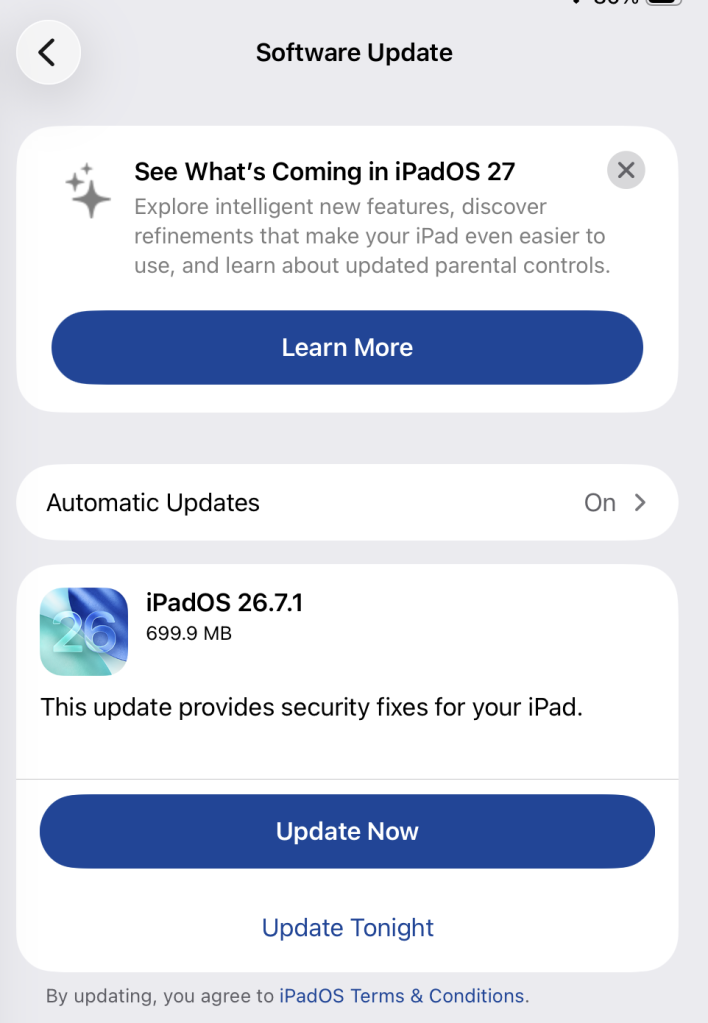
Apple has released updates for iPhones, iPads, and Macs to fix a flaw that could let an attacker run code when a device processes a malicious file. Apple says it may have been used in highly targeted attacks against iPhone users running versions of iOS before iOS 27. The fix is in iOS and iPadOS 26.7.1, as well as macOS Sequoia 15.8.1 and macOS Tahoe 26.7.1.…

Fix: Review advisory findings, isolate suspect endpoints, and verify threat signatures.
OperTraitors: How Kubernetes Operators Betray Your Security Posture Moderate Palo Alto Unit 42
2026-09-29 Palo Alto Unit 42

OperTraitors: How Kubernetes Operators Betray Your Security Posture

We introduce OperTraitor, a tool to audit privileges of Kubernetes operators, identify excessive RBAC risks, and secure non-human identities. The post OperTraitors: How Kubernetes Operators Betray Your Security Posture appeared first on Unit 42 .

Fix: Review advisory findings, isolate suspect endpoints, and verify threat signatures.
Securing the keys to the kingdom: Announcing Executive Threat Detection Moderate Cisco Talos Intelligence
2026-09-29 Cisco Talos Intelligence

Securing the keys to the kingdom: Announcing Executive Threat Detection

Attackers are using greater sophistication to gain access to high-yield targets like executives, and company-wide security measures can easily miss these subtle, personal attacks. Executive Threat Detection offers protection for up to 10 principals, with monthly custom threat hunts and reports relevant to those principals’ corporate systems. Proactive attent…

Fix: Review advisory findings, isolate suspect endpoints, and verify threat signatures.
Fake iPhone Duo preorder scam triggers DarkSword attack Important Malwarebytes Labs
2026-09-29 Malwarebytes Labs

Fake iPhone Duo preorder scam triggers DarkSword attack

Apple announced its first foldable iPhone on September 9, and scammers were ready to ‘deliver’ one before anyone could buy it. Most of what we found around the launch of the iPhone Duo and iPhone 18 Pro was familiar fraud. But one fake preorder page was different. The fake Apple-style page offers a $500 voucher and a ticking preorder deadline. Behind its App…

Fix: Review advisory findings, isolate suspect endpoints, and verify threat signatures.
Notification