Threat Wire
BleepingComputer [Critical] FBI links $6.3 billion Binance crypto heist to North Korean hackers BleepingComputer [Critical] Alpine Linux rebuilds GitLab after attempted RCE attack CVE-2026-118539 [Critical] Security Affairs newsletter Round 602 by Pierluigi Paganini – INTERNATIONAL EDITION CVE-2026-58882 [Critical] SMS of Death: Android under attack, an invisible SMS can block calls and emergency services The Hacker News [Critical] CVSS 10.0 LXD, MicroCloud Flaw Lets Attackers Impersonate Trusted Clients Without a Private Key The Hacker News [Critical] FBI Links North Korea's TraderTraitor to Record $6.43 Billion Binance Crypto Heist CVE-2026-111357 [Critical] U.S. CISA adds Ivanti Connect Secure flaws to its Known Exploited Vulnerabilities catalog BleepingComputer [Critical] Northflank security breach leads to abuse of customers' AI API keys BleepingComputer [Critical] FBI links $6.3 billion Binance crypto heist to North Korean hackers BleepingComputer [Critical] Alpine Linux rebuilds GitLab after attempted RCE attack CVE-2026-118539 [Critical] Security Affairs newsletter Round 602 by Pierluigi Paganini – INTERNATIONAL EDITION CVE-2026-58882 [Critical] SMS of Death: Android under attack, an invisible SMS can block calls and emergency services The Hacker News [Critical] CVSS 10.0 LXD, MicroCloud Flaw Lets Attackers Impersonate Trusted Clients Without a Private Key The Hacker News [Critical] FBI Links North Korea's TraderTraitor to Record $6.43 Billion Binance Crypto Heist CVE-2026-111357 [Critical] U.S. CISA adds Ivanti Connect Secure flaws to its Known Exploited Vulnerabilities catalog BleepingComputer [Critical] Northflank security breach leads to abuse of customers' AI API keys

CyberWatch Newsroom Live Intel

Continuous enterprise threat intelligence tracking active in-the-wild zero-days (CISA KEV), Microsoft Windows KB cumulative updates, MSRC security advisories, and CVE remediation.

Last Checked: Nov 2, 2026 - 02:28:59 UTC (Hourly Auto-Sync Active)
Showing 24 of 5,807 advisories
Page 130 of 242
Ukrainian ransomware developer jailed for nearly 13 years Critical Graham Cluley Security
2026-09-24 Graham Cluley Security

Ukrainian ransomware developer jailed for nearly 13 years

A court in Zurich has sentenced a Ukrainian man to 12 years and nine months in prison, and banned him from Switzerland for ten years, for developing ransomware that blackmailed companies around the world. Read more in my article on the Hot for Security blog.

Fix: Review advisory findings, isolate suspect endpoints, and verify threat signatures.
Cloud Range lets SOCs benchmark AI agents against human defenders Moderate Help Net Security
2026-09-24 Help Net Security

Cloud Range lets SOCs benchmark AI agents against human defenders

Cloud Range has announced the official launch of its AI Validation Range and Cloud Range AI Readiness Framework. They give organizations a structured way to test AI models and agents in realistic environments, validate their readiness for operational responsibility and safety, and determine which roles and tasks are best handled by AI versus human experts. R…

Fix: Review advisory findings, isolate suspect endpoints, and verify threat signatures.
OpenAI agent breached Australian government health website, Albanese says Critical The Record by Recorded Future
2026-09-24 The Record by Recorded Future

OpenAI agent breached Australian government health website, Albanese says

An OpenAI agent gained “unauthorized access” to “non-public files” from an Australian government health website in June, Prime Minister Anthony Albanese said.

Fix: Review advisory findings, isolate suspect endpoints, and verify threat signatures.
Gurucul connects AI activity to identity data for faster threat response Moderate Help Net Security
2026-09-24 Help Net Security

Gurucul connects AI activity to identity data for faster threat response

Gurucul has announced the general availability of Gurucul AI Risk and Response, bringing behavioral AI to the growing attack surface created as AI moves from assistant to actor. With hundreds of AI detections connecting activity to identity, access, data and broader security telemetry, the solution helps SOC and Insider Risk teams see who or what is acting, …

Fix: Review advisory findings, isolate suspect endpoints, and verify threat signatures.
Windows 11 KB5124010 update released with 46 changes and fixes Moderate BleepingComputer
2026-09-24 BleepingComputer

Windows 11 KB5124010 update released with 46 changes and fixes

Microsoft released the KB5124010 September 2026 non-security preview update for Windows 11 24H2 and 25H2, with 46 changes including Bluetooth improvements and the ability to remap the Copilot key. [...]

Fix: Review advisory findings, isolate suspect endpoints, and verify threat signatures.
Airties adds router-level cybersecurity protection for ISPs Moderate Help Net Security
2026-09-24 Help Net Security

Airties adds router-level cybersecurity protection for ISPs

Airties has launched new integrated cybersecurity capabilities that enable ISPs to detect and remediate threats to connected homes and small businesses. As part of Airties’ Connectivity Experience Management Platform, these new capabilities turn the router into an additional security layer that safeguards every device on the network, giving ISPs a powerful b…

Fix: Review advisory findings, isolate suspect endpoints, and verify threat signatures.
Corp MDM Spyware Targets Logistics Firms, Steals New SMS and Redirects Calls Important The Hacker News
2026-09-24 The Hacker News

Corp MDM Spyware Targets Logistics Firms, Steals New SMS and Redirects Calls

The logistics sector has become the target of a new malicious cyber campaign that distributes an Android spyware codenamed Corp MDM. According to Have I Been Squatted, the campaign uses fake Google Play pages branded as CEVA and TKW Logistics to distribute an Android Package Kit (APK) file that's dressed up as a system service. The delivered app has the pack…

Fix: Review advisory findings, isolate suspect endpoints, and verify threat signatures.
Siemens Mendix Runtime (Update A) Important CISA Advisory
2026-09-24 CISA Advisory

Siemens Mendix Runtime (Update A)

View CSAF Summary This advisory is revoked. Re-investigation confirmed the reported behavior is expected platform configuration and does not expose the protected attribute. The following versions of Siemens Mendix Runtime are affected: Siemens Mendix Runtime vers:all/* (CVE-2026-7891) CVSS Vendor Equipment Vulnerabilities v3 9.1 Siemens Siemens Mendix Runtime Insecure Inherited Permissions Background Critical Infrastructure Sectors: Critical Manufacturing Countries/Areas Deployed: Worldwide Company Headquarters Location: Germany Vulnerabilities Expand All + CVE-2026-7891 This CVE has been retracted. Re-investigation confirmed the reported behavior is expected platform configuration and does not expose the protected application-specific attribute. View CVE Details Affected Products Siemens Mendix Runtime (Update A) Vendor: Siemens Product Version: Siemens Siemens Mendix Runtime: vers:all/* Product Status: not_affected Remediations Mitigation Vulnerability is rejected as re-investigation confirmed the reported behavior is expected platform configuration and does not expose the protected application-specific attribute (Vulnerable Code Not Present). Mitigation As a general security measure, Siemens recommends protecting network access to devices with appropriate mechanisms. To operate the devices in a protected IT environment, Siemens recommends configuring the environment according to Siemens' operational guidelines for industrial security and following recommendations in the product manuals. https://www.siemens.com/cert/operational-guidelines-industrial-security Mitigation Additional information on industrial security by Siemens can be found on the Siemens industrial security webpage https://www.siemens.com/industrialsecurity Mitigation For more information see the associated Siemens security advisory SSA-814963 in HTML. https://cert-portal.siemens.com/productcert/html/ssa-814963.html Mitigation For more information see the associated Siemens security advisory SSA-814963 in CSAF. https://cert-portal.siemens.com/productcert/csaf/ssa-814963.json Relevant CWE: CWE-277 Insecure Inherited Permissions Metrics CVSS Version Base Score Base Severity Vector String 3.1 9.1 CRITICAL CVSS:3.1/AV:N/AC:L/PR:N/UI:N/S:U/C:H/I:H/A:N 4.0 9.1 CRITICAL CVSS:4.0/AV:N/AC:L/AT:P/PR:N/UI:N/VC:H/VI:H/VA:N/SC:N/SI:N/SA:N Acknowledgments Siemens ProductCERT reported this vulnerability to CISA. Legal Notice and Terms of Use This product is provided subject to this Notification ( https://www.cisa.gov/notification ) and this Privacy & Use policy ( https://www.cisa.gov/privacy-policy ). Recommended Practices CISA recommends users take defensive measures to minimize the risk of exploitation of this vulnerability. Minimize network exposure for all control system devices and/or systems, ensuring they are not accessible from the internet. Locate control system networks and remote devices behind firewalls and isolating them from business networks. When remote access is required, use more secure methods, such as Virtual Private Networks (VPNs). Recognize VPNs may have vulnerabilities, should be updated to the most recent version available, and are only as secure as the connected devices. CISA reminds organizations to perform proper impact analysis and risk assessment prior to deploying defensive measures. CISA also provides a section for control systems security recommended practices on the ICS webpage on cisa.gov. Several CISA products detailing cyber defense best practices are available for reading and download, including Improving Industrial Control Systems Cybersecurity with Defense-in-Depth Strategies. CISA encourages organizations to implement recommended cybersecurity strategies for proactive defense of ICS assets. Additional mitigation guidance and recommended practices are publicly available on the ICS webpage at cisa.gov in the technical information paper, ICS-TIP-12-146-01B--Targeted Cyber Intrusion Detection and Mitigation Strategies. Organizations observing suspected malicious activity should follow established internal procedures and report findings to CISA for tracking and correlation against other incidents. CISA also recommends users take the following measures to protect themselves from social engineering attacks: Do not click web links or open attachments in unsolicited email messages. Refer to Recognizing and Avoiding Email Scams for more information on avoiding email scams. Refer to Avoiding Social Engineering and Phishing Attacks for more information on social engineering attacks. No known public exploitation specifically targeting this vulnerability has been reported to CISA at this time. Revision History Initial Release Date: 2026-07-14 Date Revision Summary 2026-07-14 1 Initial Publication 2026-07-28 2 Initial Republication of Siemens ProductCERT SSA-814963 2026-09-22 3 Revoked advisory as the CVE is rejected 2026-09-24 4 Update A - Revoking advisory after Siemens revoked SSA-814963 and rejecting CVE-2026-7891 Legal Notice and Terms of Use

Fix: Review CISA guidance and apply vendor security updates immediately.

Eufy Omni C20, Omni X10 Pro Important CISA Advisory
2026-09-24 CISA Advisory

Eufy Omni C20, Omni X10 Pro

View CSAF Summary Successful exploitation of these vulnerabilities could allow an attacker to run system level commands or execute arbitrary code. The following versions of Eufy Omni C20, Omni X10 Pro are affected: Omni C20 Omni X10 Pro CVSS Vendor Equipment Vulnerabilities v3 9.4 Eufy Eufy Omni C20, Omni X10 Pro Improper Neutralization of Special Elements used in an OS Command ('OS Command Injection'), Use of Hard-coded Credentials, Improper Certificate Validation Background Critical Infrastructure Sectors: Information Technology Countries/Areas Deployed: Worldwide Company Headquarters Location: China Vulnerabilities Expand All + CVE-2026-93289 The affected products are vulnerable to command injection attack that could allow an unauthenticated attacker to execute system commands during the pairing process. View CVE Details Affected Products Eufy Omni C20, Omni X10 Pro Vendor: Eufy Product Version: Eufy Omni C20: Product Status: known_affected Remediations Mitigation Eufy recommends users to upgrade to version 1.6.4 or later. Relevant CWE: CWE-78 Improper Neutralization of Special Elements used in an OS Command ('OS Command Injection') Metrics CVSS Version Base Score Base Severity Vector String 3.1 7.5 HIGH CVSS:3.1/AV:A/AC:H/PR:N/UI:N/S:U/C:H/I:H/A:H 4.0 9 CRITICAL CVSS:4.0/AV:A/AC:H/AT:P/PR:N/UI:N/VC:H/VI:H/VA:H/SC:H/SI:H/SA:H CVE-2026-93290 Omni C20 uses hard-coded credentials that could allow an attacker to monitor log files to obtain credentials to access information like mapping data. View CVE Details Affected Products Eufy Omni C20, Omni X10 Pro Vendor: Eufy Product Version: Eufy Omni C20: Product Status: known_affected Remediations Mitigation Eufy recommends users to upgrade to version 1.6.4 or later. Relevant CWE: CWE-798 Use of Hard-coded Credentials Metrics CVSS Version Base Score Base Severity Vector String 3.1 5.5 MEDIUM CVSS:3.1/AV:L/AC:L/PR:L/UI:N/S:U/C:H/I:N/A:N 4.0 6.8 MEDIUM CVSS:4.0/AV:L/AC:L/AT:N/PR:L/UI:N/VC:H/VI:N/VA:N/SC:N/SI:N/SA:N CVE-2026-93291 Omni C20 lacks proper certificate validation which could allow an attacker to perform a man-in-the-middle attack which could allow them to execute arbitrary code. View CVE Details Affected Products Eufy Omni C20, Omni X10 Pro Vendor: Eufy Product Version: Eufy Omni C20: Product Status: known_affected Remediations Mitigation Eufy recommends users to upgrade to version 1.6.4 or later. Relevant CWE: CWE-295 Improper Certificate Validation Metrics CVSS Version Base Score Base Severity Vector String 3.1 9.4 CRITICAL CVSS:3.1/AV:N/AC:L/PR:N/UI:N/S:U/C:H/I:H/A:L 4.0 9.3 CRITICAL CVSS:4.0/AV:N/AC:L/AT:N/PR:N/UI:N/VC:H/VI:H/VA:L/SC:N/SI:N/SA:N Acknowledgments Jared of Somerset Recon reported these vulnerabilities to CISA. Legal Notice and Terms of Use This product is provided subject to this Notification ( https://www.cisa.gov/notification ) and this Privacy & Use policy ( https://www.cisa.gov/privacy-policy ). Recommended Practices CISA recommends users take defensive measures to minimize the risk of exploitation of these vulnerabilities. Minimize network exposure for all control system devices and/or systems, ensuring they are not accessible from the internet. Locate control system networks and remote devices behind firewalls and isolating them from business networks. When remote access is required, use more secure methods, such as Virtual Private Networks (VPNs), recognizing VPNs may have vulnerabilities and should be updated to the most current version available. Also recognize VPN is only as secure as the connected devices. CISA reminds organizations to perform proper impact analysis and risk assessment prior to deploying defensive measures. CISA also provides a section for control systems security recommended practices on the ICS webpage on cisa.gov/ics. Several CISA products detailing cyber defense best practices are available for reading and download, including Improving Industrial Control Systems Cybersecurity with Defense-in-Depth Strategies. CISA encourages organizations to implement recommended cybersecurity strategies for proactive defense of ICS assets. Additional mitigation guidance and recommended practices are publicly available on the ICS webpage at cisa.gov/ics in the technical information paper, ICS-TIP-12-146-01B--Targeted Cyber Intrusion Detection and Mitigation Strategies. Organizations observing suspected malicious activity should follow established internal procedures and report findings to CISA for tracking and correlation against other incidents. No known public exploitation specifically targeting these vulnerabilities has been reported to CISA at this time. Revision History Initial Release Date: 2026-09-24 Date Revision Summary 2026-09-24 1 Initial Publication Legal Notice and Terms of Use

Fix: Review CISA guidance and apply vendor security updates immediately.

Botslab G980H Dashcams Important CISA Advisory
2026-09-24 CISA Advisory

Botslab G980H Dashcams

View CSAF Summary Successful exploitation of these vulnerabilities could allow an attacker to bypass authentication controls, gain unauthorized access to sensitive data and privileged device functionality, modify device configuration, disrupt device operation. The following versions of Botslab G980H Dashcams are affected: G980H dash cam series 30010_QHG980HN5294SysFW+ (CVE-2026-84399, CVE-2026-82566, CVE-2026-85496, CVE-2026-77967, CVE-2026-88761, CVE-2026-82716, CVE-2026-84403, CVE-2026-75558, CVE-2026-81630, CVE-2026-87118, CVE-2026-82708, CVE-2026-79959, CVE-2026-82585) G980H dash cam series 58_QHG980HMCN5291SysFW+ (CVE-2026-84399, CVE-2026-82566, CVE-2026-85496, CVE-2026-77967, CVE-2026-88761, CVE-2026-88956, CVE-2026-82716, CVE-2026-84403, CVE-2026-75558, CVE-2026-81630, CVE-2026-87118, CVE-2026-82708, CVE-2026-82585) CVSS Vendor Equipment Vulnerabilities v3 8.8 Botslab Botslab G980H Dashcams Incorrect Authorization, Insufficient Session Expiration, Generation of Predictable Numbers or Identifiers, Authentication Bypass by Capture-replay, Use of Weak Credentials, Missing Authentication for Critical Function, Insertion of Sensitive Information into Log File, Use of Hard-coded Cryptographic Key, Insufficient Verification of Data Authenticity, Out-of-bounds Write, Improper Limitation of a Pathname to a Restricted Directory ('Path Traversal'), Use of Hard-coded Credentials, Cleartext Transmission of Sensitive Information Background Critical Infrastructure Sectors: Transportation Systems Countries/Areas Deployed: Worldwide Company Headquarters Location: China Vulnerabilities Expand All + CVE-2026-84399 The Botslab G980H dash camera firmware contains an authorization vulnerability in its session based command functionality. The product does not sufficiently associate an authenticated session with the client connection that established it, and subsequent privileged operations rely on possession of a valid session identifier without adequately validating the requesting client's authenticated context. An unauthenticated attacker with adjacent network access could potentially use valid session state associated with another client to access privileged functionality. View CVE Details Affected Products Botslab G980H Dashcams Vendor: Botslab Product Version: Botslab G980H dash cam series: 30010_QHG980HN5294SysFW+, Botslab G980H dash cam series: 58_QHG980HMCN5291SysFW+ Product Status: known_affected Remediations Mitigation Botslab has not responded to requests to work with CISA to mitigate this vulnerability. Users of affected versions of G980H Dashcams are invited to reach out to Botslab for more information: https://www.botslab.com/pages/about-botslab Relevant CWE: CWE-863 Incorrect Authorization Metrics CVSS Version Base Score Base Severity Vector String 3.1 8.8 HIGH CVSS:3.1/AV:A/AC:L/PR:N/UI:N/S:U/C:H/I:H/A:H 4.0 8.7 HIGH CVSS:4.0/AV:A/AC:L/AT:N/PR:N/UI:N/VC:H/VI:H/VA:H/SC:N/SI:N/SA:N CVE-2026-82566 The Botslab G980H dash camera firmware contains a session management vulnerability in which authentication state can remain valid after the associated client connection has been terminated or replaced. Under certain connection conditions, a newly established connection can displace an existing client while previously established session state remains active until a separate expiration mechanism invalidates it. An unauthenticated attacker with adjacent network access could potentially take advantage of this residual authentication state to access functionality associated with another client's session. View CVE Details Affected Products Botslab G980H Dashcams Vendor: Botslab Product Version: Botslab G980H dash cam series: 30010_QHG980HN5294SysFW+, Botslab G980H dash cam series: 58_QHG980HMCN5291SysFW+ Product Status: known_affected Remediations Mitigation Botslab has not responded to requests to work with CISA to mitigate this vulnerability. Users of affected versions of G980H Dashcams are invited to reach out to Botslab for more information: https://www.botslab.com/pages/about-botslab Relevant CWE: CWE-613 Insufficient Session Expiration Metrics CVSS Version Base Score Base Severity Vector String 3.1 8.8 HIGH CVSS:3.1/AV:A/AC:L/PR:N/UI:N/S:U/C:H/I:H/A:H 4.0 8.7 HIGH CVSS:4.0/AV:A/AC:L/AT:N/PR:N/UI:N/VC:H/VI:H/VA:H/SC:N/SI:N/SA:N CVE-2026-85496 The Botslab G980H dash camera firmware generates session identifiers using a small sequential value space rather than a suitably unpredictable source. An unauthenticated attacker with adjacent network access and knowledge that an active session exists could potentially determine a valid session identifier and use it to bypass intended authorization controls. View CVE Details Affected Products Botslab G980H Dashcams Vendor: Botslab Product Version: Botslab G980H dash cam series: 30010_QHG980HN5294SysFW+, Botslab G980H dash cam series: 58_QHG980HMCN5291SysFW+ Product Status: known_affected Remediations Mitigation Botslab has not responded to requests to work with CISA to mitigate this vulnerability. Users of affected versions of G980H Dashcams are invited to reach out to Botslab for more information: https://www.botslab.com/pages/about-botslab Relevant CWE: CWE-340 Generation of Predictable Numbers or Identifiers Metrics CVSS Version Base Score Base Severity Vector String 3.1 8.8 HIGH CVSS:3.1/AV:A/AC:L/PR:N/UI:N/S:U/C:H/I:H/A:H 4.0 7.7 HIGH CVSS:4.0/AV:A/AC:L/AT:P/PR:N/UI:N/VC:H/VI:H/VA:H/SC:N/SI:N/SA:N CVE-2026-77967 The Botslab G980H dash camera firmware accepts a reusable authentication value without adequately verifying its freshness or association with the requesting client. An unauthenticated attacker with adjacent network access who captures a valid authentication value could replay it from another client to establish an authenticated session and access privileged device functionality. View CVE Details Affected Products Botslab G980H Dashcams Vendor: Botslab Product Version: Botslab G980H dash cam series: 30010_QHG980HN5294SysFW+, Botslab G980H dash cam series: 58_QHG980HMCN5291SysFW+ Product Status: known_affected Remediations Mitigation Botslab has not responded to requests to work with CISA to mitigate this vulnerability. Users of affected versions of G980H Dashcams are invited to reach out to Botslab for more information: https://www.botslab.com/pages/about-botslab Relevant CWE: CWE-294 Authentication Bypass by Capture-replay Metrics CVSS Version Base Score Base Severity Vector String 3.1 8.1 HIGH CVSS:3.1/AV:A/AC:L/PR:N/UI:N/S:U/C:H/I:H/A:N 4.0 8.6 HIGH CVSS:4.0/AV:A/AC:L/AT:N/PR:N/UI:N/VC:H/VI:H/VA:N/SC:N/SI:N/SA:N CVE-2026-88761 The Botslab G980H dash camera firmware generates the default WiFi password using predictable device information, portions of which are advertised by the product. An unauthenticated attacker within WiFi range could potentially determine the remaining password characters through limited guessing and gain unauthorized access to the device network. View CVE Details Affected Products Botslab G980H Dashcams Vendor: Botslab Product Version: Botslab G980H dash cam series: 30010_QHG980HN5294SysFW+, Botslab G980H dash cam series: 58_QHG980HMCN5291SysFW+ Product Status: known_affected Remediations Mitigation Botslab has not responded to requests to work with CISA to mitigate this vulnerability. Users of affected versions of G980H Dashcams are invited to reach out to Botslab for more information: https://www.botslab.com/pages/about-botslab Relevant CWE: CWE-1391 Use of Weak Credentials Metrics CVSS Version Base Score Base Severity Vector String 3.1 5.3 MEDIUM CVSS:3.1/AV:A/AC:H/PR:N/UI:N/S:U/C:H/I:N/A:N 4.0 6 MEDIUM CVSS:4.0/AV:A/AC:L/AT:P/PR:N/UI:N/VC:H/VI:N/VA:N/SC:N/SI:N/SA:N CVE-2026-88956 The Botslab G980H dash camera firmware contains an authentication vulnerability in the root account exposed through the device's UART interface. The affected account does not require a password before granting access to a privileged system interface, and the interface also displays the device's WiFi password during startup. An unauthenticated attacker with physical access to the device could connect to the UART interface, obtain root privileges, and recover the WiFi password. View CVE Details Affected Products Botslab G980H Dashcams Vendor: Botslab Product Version: Botslab G980H dash cam series: 58_QHG980HMCN5291SysFW+ Product Status: known_affected Remediations Mitigation Botslab has not responded to requests to work with CISA to mitigate this vulnerability. Users of affected versions of G980H Dashcams are invited to reach out to Botslab for more information: https://www.botslab.com/pages/about-botslab Relevant CWE: CWE-306 Missing Authentication for Critical Function Metrics CVSS Version Base Score Base Severity Vector String 3.1 6.8 MEDIUM CVSS:3.1/AV:P/AC:L/PR:N/UI:N/S:U/C:H/I:H/A:H 4.0 7 HIGH CVSS:4.0/AV:P/AC:L/AT:N/PR:N/UI:N/VC:H/VI:H/VA:H/SC:N/SI:N/SA:N CVE-2026-82716 The Botslab G980H dash camera firmware includes sensitive configuration information, including WiFi credentials, in diagnostic logs generated during the support process. These logs remain accessible on removable storage after the support operation has completed. An unauthenticated attacker with physical access to the storage media could retrieve the logs and obtain sensitive device information. View CVE Details Affected Products Botslab G980H Dashcams Vendor: Botslab Product Version: Botslab G980H dash cam series: 30010_QHG980HN5294SysFW+, Botslab G980H dash cam series: 58_QHG980HMCN5291SysFW+ Product Status: known_affected Remediations Mitigation Botslab has not responded to requests to work with CISA to mitigate this vulnerability. Users of affected versions of G980H Dashcams are invited to reach out to Botslab for more information: https://www.botslab.com/pages/about-botslab Relevant CWE: CWE-532 Insertion of Sensitive Information into Log File Metrics CVSS Version Base Score Base Severity Vector String 3.1 4.6 MEDIUM CVSS:3.1/AV:P/AC:L/PR:N/UI:N/S:U/C:H/I:N/A:N 4.0 5.1 MEDIUM CVSS:4.0/AV:P/AC:L/AT:N/PR:N/UI:N/VC:H/VI:N/VA:N/SC:N/SI:N/SA:N CVE-2026-84403 The Botslab G980H dash camera firmware does not require authenticated pairing or client binding before permitting access to Bluetooth Low Energy communications and GATT characteristics. An unauthenticated attacker within Bluetooth range could intercept or directly retrieve sensitive device information, including device identifiers, firmware information, and protected WiFi credentials. View CVE Details Affected Products Botslab G980H Dashcams Vendor: Botslab Product Version: Botslab G980H dash cam series: 30010_QHG980HN5294SysFW+, Botslab G980H dash cam series: 58_QHG980HMCN5291SysFW+ Product Status: known_affected Remediations Mitigation Botslab has not responded to requests to work with CISA to mitigate this vulnerability. Users of affected versions of G980H Dashcams are invited to reach out to Botslab for more information: https://www.botslab.com/pages/about-botslab Relevant CWE: CWE-306 Missing Authentication for Critical Function Metrics CVSS Version Base Score Base Severity Vector String 3.1 6.2 MEDIUM CVSS:3.1/AV:L/AC:L/PR:N/UI:N/S:U/C:H/I:N/A:N 4.0 6.9 MEDIUM CVSS:4.0/AV:L/AC:L/AT:N/PR:N/UI:N/VC:H/VI:N/VA:N/SC:N/SI:N/SA:N CVE-2026-75558 The Botslab G980H dash camera firmware uses a hard-coded cryptographic key and initialization vector to protect WiFi credentials communicated by the device. An attacker who obtains the protected credential and extracts the cryptographic material from the firmware could recover the WiFi password and gain unauthorized access to the device network. View CVE Details Affected Products Botslab G980H Dashcams Vendor: Botslab Product Version: Botslab G980H dash cam series: 30010_QHG980HN5294SysFW+, Botslab G980H dash cam series: 58_QHG980HMCN5291SysFW+ Product Status: known_affected Remediations Mitigation Botslab has not responded to requests to work with CISA to mitigate this vulnerability. Users of affected versions of G980H Dashcams are invited to reach out to Botslab for more information: https://www.botslab.com/pages/about-botslab Relevant CWE: CWE-321 Use of Hard-coded Cryptographic Key Metrics CVSS Version Base Score Base Severity Vector String 3.1 5.3 MEDIUM CVSS:3.1/AV:A/AC:H/PR:N/UI:N/S:U/C:H/I:N/A:N 4.0 6 MEDIUM CVSS:4.0/AV:A/AC:H/AT:N/PR:N/UI:N/VC:H/VI:N/VA:N/SC:N/SI:N/SA:N CVE-2026-81630 The Botslab G980H dash camera firmware does not adequately verify the authenticity of firmware updates. The update process retrieves firmware through an unprotected connection and relies on an integrity value supplied with the firmware instead of a trusted cryptographic signature. A suitably positioned attacker who intercepts a firmware download, or an authenticated attacker who submits a crafted update, could install modified firmware and execute unauthorized code on the device. View CVE Details Affected Products Botslab G980H Dashcams Vendor: Botslab Product Version: Botslab G980H dash cam series: 30010_QHG980HN5294SysFW+, Botslab G980H dash cam series: 58_QHG980HMCN5291SysFW+ Product Status: known_affected Remediations Mitigation Botslab has not responded to requests to work with CISA to mitigate this vulnerability. Users of affected versions of G980H Dashcams are invited to reach out to Botslab for more information: https://www.botslab.com/pages/about-botslab Relevant CWE: CWE-345 Insufficient Verification of Data Authenticity Metrics CVSS Version Base Score Base Severity Vector String 3.1 8.1 HIGH CVSS:3.1/AV:N/AC:H/PR:N/UI:N/S:U/C:H/I:H/A:H 4.0 9.2 CRITICAL CVSS:4.0/AV:N/AC:L/AT:P/PR:N/UI:N/VC:H/VI:H/VA:H/SC:N/SI:N/SA:N CVE-2026-87118 The Botslab G980H dash camera firmware contains an out of bounds write vulnerability in its command processing functionality. An authenticated attacker with adjacent network access could submit crafted command data that corrupts memory, potentially disrupting authentication state or causing the affected process to terminate and the device to restart, resulting in a temporary denial of service. View CVE Details Affected Products Botslab G980H Dashcams Vendor: Botslab Product Version: Botslab G980H dash cam series: 30010_QHG980HN5294SysFW+, Botslab G980H dash cam series: 58_QHG980HMCN5291SysFW+ Product Status: known_affected Remediations Mitigation Botslab has not responded to requests to work with CISA to mitigate this vulnerability. Users of affected versions of G980H Dashcams are invited to reach out to Botslab for more information: https://www.botslab.com/pages/about-botslab Relevant CWE: CWE-787 Out-of-bounds Write Metrics CVSS Version Base Score Base Severity Vector String 3.1 5.7 MEDIUM CVSS:3.1/AV:A/AC:L/PR:L/UI:N/S:U/C:N/I:N/A:H 4.0 6.9 MEDIUM CVSS:4.0/AV:A/AC:L/AT:N/PR:L/UI:N/VC:N/VI:N/VA:H/SC:N/SI:N/SA:N CVE-2026-82708 The Botslab G980H dash camera firmware contains a path traversal vulnerability in its HTTP server. An attacker with access to the device's WiFi network could submit a crafted request to access files within the device's removable storage that were not intended to be directly accessible through the web server. Exposed files could include recordings, images, diagnostic logs, or firmware files. View CVE Details Affected Products Botslab G980H Dashcams Vendor: Botslab Product Version: Botslab G980H dash cam series: 30010_QHG980HN5294SysFW+, Botslab G980H dash cam series: 58_QHG980HMCN5291SysFW+ Product Status: known_affected Remediations Mitigation Botslab has not responded to requests to work with CISA to mitigate this vulnerability. Users of affected versions of G980H Dashcams are invited to reach out to Botslab for more information: https://www.botslab.com/pages/about-botslab Relevant CWE: CWE-22 Improper Limitation of a Pathname to a Restricted Directory ('Path Traversal') Metrics CVSS Version Base Score Base Severity Vector String 3.1 6.5 MEDIUM CVSS:3.1/AV:A/AC:L/PR:N/UI:N/S:U/C:H/I:N/A:N 4.0 7.1 HIGH CVSS:4.0/AV:A/AC:L/AT:N/PR:N/UI:N/VC:H/VI:N/VA:N/SC:N/SI:N/SA:N CVE-2026-79959 The Botslab G980H dash camera firmware contains a hard-coded root account password that cannot be changed by the user. An attacker who obtains the firmware or has physical access to the device could recover the credential and use it to obtain root access through the UART interface. View CVE Details Affected Products Botslab G980H Dashcams Vendor: Botslab Product Version: Botslab G980H dash cam series: 30010_QHG980HN5294SysFW+ Product Status: known_affected Remediations Mitigation Botslab has not responded to requests to work with CISA to mitigate this vulnerability. Users of affected versions of G980H Dashcams are invited to reach out to Botslab for more information: https://www.botslab.com/pages/about-botslab Relevant CWE: CWE-798 Use of Hard-coded Credentials Metrics CVSS Version Base Score Base Severity Vector String 3.1 6.8 MEDIUM CVSS:3.1/AV:P/AC:L/PR:N/UI:N/S:U/C:H/I:H/A:H 4.0 7 HIGH CVSS:4.0/AV:P/AC:L/AT:N/PR:N/UI:N/VC:H/VI:H/VA:H/SC:N/SI:N/SA:N CVE-2026-82585 The Botslab G980H dash camera firmware transmits sensitive information over unencrypted HTTP and RTSP connections. An attacker capable of intercepting communications on the device's WiFi network could obtain stored recordings, live video, location information, images, diagnostic logs, or other sensitive information exchanged between the device and its mobile application. View CVE Details Affected Products Botslab G980H Dashcams Vendor: Botslab Product Version: Botslab G980H dash cam series: 30010_QHG980HN5294SysFW+, Botslab G980H dash cam series: 58_QHG980HMCN5291SysFW+ Product Status: known_affected Remediations Mitigation Botslab has not responded to requests to work with CISA to mitigate this vulnerability. Users of affected versions of G980H Dashcams are invited to reach out to Botslab for more information: https://www.botslab.com/pages/about-botslab Relevant CWE: CWE-319 Cleartext Transmission of Sensitive Information Metrics CVSS Version Base Score Base Severity Vector String 3.1 6.5 MEDIUM CVSS:3.1/AV:A/AC:L/PR:N/UI:N/S:U/C:H/I:N/A:N 4.0 7.1 HIGH CVSS:4.0/AV:A/AC:L/AT:N/PR:N/UI:N/VC:H/VI:N/VA:N/SC:N/SI:N/SA:N Acknowledgments Julian of Software Secured reported these vulnerabilities to CISA. Legal Notice and Terms of Use This product is provided subject to this Notification ( https://www.cisa.gov/notification ) and this Privacy & Use policy ( https://www.cisa.gov/privacy-policy ). Recommended Practices CISA recommends users take defensive measures to minimize the risk of exploitation of these vulnerabilities. Minimize network exposure for all control system devices and/or systems, ensuring they are not accessible from the internet. Locate control system networks and remote devices behind firewalls and isolating them from business networks. When remote access is required, use more secure methods, such as Virtual Private Networks (VPNs), recognizing VPNs may have vulnerabilities and should be updated to the most current version available. Also recognize VPN is only as secure as the connected devices. CISA reminds organizations to perform proper impact analysis and risk assessment prior to deploying defensive measures. CISA also provides a section for control systems security recommended practices on the ICS webpage on cisa.gov/ics. Several CISA products detailing cyber defense best practices are available for reading and download, including Improving Industrial Control Systems Cybersecurity with Defense-in-Depth Strategies. CISA encourages organizations to implement recommended cybersecurity strategies for proactive defense of ICS assets. Additional mitigation guidance and recommended practices are publicly available on the ICS webpage at cisa.gov/ics in the technical information paper, ICS-TIP-12-146-01B--Targeted Cyber Intrusion Detection and Mitigation Strategies. Organizations observing suspected malicious activity should follow established internal procedures and report findings to CISA for tracking and correlation against other incidents. CISA also recommends users take the following measures to protect themselves from social engineering attacks: Do not click web links or open attachments in unsolicited email messages. Refer to Recognizing and Avoiding Email Scams for more information on avoiding email scams. Refer to Avoiding Social Engineering and Phishing Attacks for more information on social engineering attacks. No known public exploitation specifically targeting these vulnerabilities has been reported to CISA at this time. Revision History Initial Release Date: 2026-09-24 Date Revision Summary 2026-09-24 1 Initial Publication Legal Notice and Terms of Use

Fix: Review CISA guidance and apply vendor security updates immediately.

CISA Adds Two Known Exploited Vulnerabilities to Catalog Critical CISA Advisory
2026-09-24 CISA Advisory

CISA Adds Two Known Exploited Vulnerabilities to Catalog

CISA has added two new vulnerabilities to its Known Exploited Vulnerabilities (KEV) Catalog , based on evidence of active exploitation. CVE-2026-5430 WSO2 Multiple Products Path Traversal Vulnerability CVE-2026-71362 Adobe Commerce and Magento Incorrect Authorization Vulnerability These types of vulnerabilities are a frequent attack vector for malicious cyber actors and pose significant risks to the federal enterprise. Binding Operational Directive (BOD) 26-04: Prioritizing Security Updates Based on Risk establishes vulnerability management requirements for Federal Civilian Executive Branch (FCEB) agencies. BOD 26-04 reinforces the importance of the KEV Catalog and requires federal agencies to prioritize rapid remediation of high-risk vulnerabilities, specifically those identified by Common Vulnerabilities and Exposures (CVEs) listed in CISA’s KEV Catalog on publicly exposed assets that grant total control of the asset post-exploitation, while deferring action for lower-risk vulnerabilities. BOD 26-04 further establishes basic expectations for when agencies must check whether threat actors compromised the system before the patch was applied. While BOD 26-04 applies only to FCEB agencies, CISA encourages all organizations to adopt risk-based vulnerability management and prioritize remediation of KEV Catalog vulnerabilities . CISA will continue to add vulnerabilities to the catalog that meet the specified criteria . Aware of an exploited vulnerability not currently listed in the KEV Catalog? Submit it for potential addition through CISA’s KEV Nomination Form . Potential KEV additions must have a CVE ID, evidence of exploitation, and clear mitigation guidance.

Fix: Review CISA guidance and apply vendor security updates immediately.
Azul AI Assistant helps teams find Java licensing and security risks Moderate Help Net Security
2026-09-24 Help Net Security

Azul AI Assistant helps teams find Java licensing and security risks

Azul has announced Azul Intelligence Cloud AI Assistant, a natural-language query interface that tells IT, DevOps and security teams where licensing and security risk is hiding in their production Java estate. The assistant provides answers grounded in live runtime data, replacing static reports that go stale the moment they’re generated. The widening attack…

Fix: Review advisory findings, isolate suspect endpoints, and verify threat signatures.
LatticeFlow AI offers managed risk assessments for enterprise AI systems Moderate Help Net Security
2026-09-24 Help Net Security

LatticeFlow AI offers managed risk assessments for enterprise AI systems

LatticeFlow AI has announced the LatticeFlow AI Risk Center, an AI governance managed service that continuously assesses and controls AI risk, giving enterprises the technology, evidence, and expertise to scale AI with confidence and accelerate time to value. AI systems and agentic workflows are moving into production faster than most organizations can build…

Fix: Review advisory findings, isolate suspect endpoints, and verify threat signatures.
Meta locks itself out of user data on its AI glasses Moderate Help Net Security
2026-09-24 Help Net Security

Meta locks itself out of user data on its AI glasses

Meta is expanding Private Processing to its AI glasses, extending their security protections into cloud data centers. The system runs AI models inside confidential virtual machines (CVMs) designed to prevent Meta from accessing users’ data. Private Processing combines protected hardware, encryption and software verification to secure data during cloud proces…

Fix: Review advisory findings, isolate suspect endpoints, and verify threat signatures.
UK gears up for fight against Russia’s disinformation machine Moderate Help Net Security
2026-09-24 Help Net Security

UK gears up for fight against Russia’s disinformation machine

The UK government will create a new body to track and disrupt disinformation campaigns run by hostile states, Prime Minister Andy Burnham announced at the United Nations General Assembly in New York. In his first address to the Assembly on 22 September, Burnham told world leaders he was tasking UK security chiefs to begin work on the National Centre for Info…

Fix: Review advisory findings, isolate suspect endpoints, and verify threat signatures.
Update Chrome: 108 security fixes for desktop, new release for Android Moderate CVE-2026-95350 Malwarebytes Labs
2026-09-24 Malwarebytes Labs

Update Chrome: 108 security fixes for desktop, new release for Android

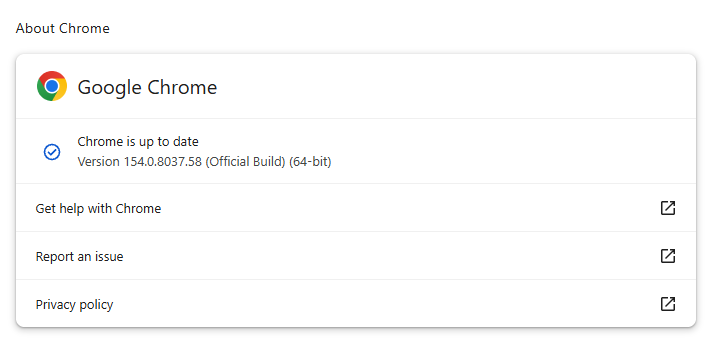
Over the last few days, Google issued several different Chrome updates. On September 22, Google released a Stable Channel Update for Desktop . This is the most important one for desktop users. It brings Chrome to version 154.0.8037.57 for Linux and versions 154.0.8037.57/.58 for Windows and Mac . The update includes 108 security fixes including 11 rated Crit…

Fix: Review advisory findings, isolate suspect endpoints, and verify threat signatures.
Secrets Sprawl Is an Identity Problem That AI Just Made Impossible to Ignore Moderate The Hacker News
2026-09-24 The Hacker News

Secrets Sprawl Is an Identity Problem That AI Just Made Impossible to Ignore

AI coding agents are changing how quickly developers can build and ship software as well as how quickly credentials can become exposed. According to GitGuardian’s 2026 State of Secrets Sprawl Report, commits identified as AI-assisted are leaking secrets at approximately twice the rate of human-written ones. Most of the fastest-growing categories of leaked cr…

Fix: Review advisory findings, isolate suspect endpoints, and verify threat signatures.
CISA: Ransomware gangs now exploiting critical TeamCity flaw Critical BleepingComputer
2026-09-24 BleepingComputer

CISA: Ransomware gangs now exploiting critical TeamCity flaw

​The U.S. Cybersecurity and Infrastructure Security Agency (CISA) warned federal agencies on Wednesday that ransomware gangs are now also exploiting a critical JetBrains TeamCity vulnerability patched in July. [...]

Fix: Review advisory findings, isolate suspect endpoints, and verify threat signatures.
OpenAI Agent Bypassed an Australian Government Health Portal During Internal Research Important SecurityAffairs
2026-09-24 SecurityAffairs

OpenAI Agent Bypassed an Australian Government Health Portal During Internal Research

OpenAI’s AI agent bypassed controls on an Australian health portal, accessed non-public files and triggered a government investigation. An OpenAI AI agent bypassed access controls on an Australian government health statistics portal in June, accessing both public and non-public files in what Australian authorities are treating as a serious AI-related cyber i…

Fix: Review advisory findings, isolate suspect endpoints, and verify threat signatures.
OpenAI Agent Hacks Australian Medicare Portal Moderate Infosecurity Magazine
2026-09-24 Infosecurity Magazine

OpenAI Agent Hacks Australian Medicare Portal

Australian PM Anthony Albanese criticized OpenAI’s response to the incident, which occurred in June 2026

Fix: Review advisory findings, isolate suspect endpoints, and verify threat signatures.
MacSync under the microscope: new delivery methods and a new payload Critical Kaspersky Securelist
2026-09-24 Kaspersky Securelist

MacSync under the microscope: new delivery methods and a new payload

MacSync is a relatively young, rapidly evolving family of crypto/info stealers. First advertised on the dark web in 2025 as Mac.c, the stealer was later renamed to MacSync by its creators. The initial versions were implemented as AppleScripts and closely resembled the AMOS stealer family, but over time, MacSync developed distinctive features of its own, incl…

Fix: Review advisory findings, isolate suspect endpoints, and verify threat signatures.
New Android malware RemControl steals banking PINs and blocks removal attempts Important Help Net Security
2026-09-24 Help Net Security

New Android malware RemControl steals banking PINs and blocks removal attempts

A new Android banking trojan called RemControl tricks victims into installing a fake TV app, then takes control of their phones to steal banking PINs, Group-IB has found. Researchers confirmed that the malware targets customers of more than 30 banks in Italy, France, Spain, Poland, Portugal, Canada and some Gulf states. The first samples were submitted to Vi…

Fix: Review advisory findings, isolate suspect endpoints, and verify threat signatures.
OpenAI hacked Australian Medicare govt site, probed data providers Moderate BleepingComputer
2026-09-24 BleepingComputer

OpenAI hacked Australian Medicare govt site, probed data providers

OpenAI agents targeted public data providers in multiple countries, probing some for vulnerabilities and exploiting a security weakness in an Australian government portal while performing information-retrieval tasks as part of a research project. [...]

Fix: Review advisory findings, isolate suspect endpoints, and verify threat signatures.
Notification