A Rising Star on the Gulf Tourist Map
Sri Lanka has quietly become one of the most popular holiday destinations for tourists from the Gulf Cooperation Council countries. The numbers tell the story: tourist arrivals from the Middle East have grown consistently over the past decade, with UAE, Saudi Arabia, and Qatar among the top source markets.
What is drawing Gulf tourists to this small island nation? The answer is a combination of factors that make Sri Lanka uniquely appealing to Middle Eastern visitors.
Halal-Friendly Tourism: A Natural Fit
Sri Lanka's large Muslim population — approximately 9% of the country — means that halal food is widely available across the island. From the street food stalls of Colombo to the resort restaurants of the south coast, Muslim visitors can eat with confidence. Many hotels and resorts have specifically developed halal menus and prayer facilities to cater to Gulf tourists.
The Sri Lanka Tourism Promotion Bureau has actively marketed the country as a halal-friendly destination, and the results are visible. Entire resort areas in the south and east have developed halal-certified dining options, and the number of halal-certified restaurants has grown dramatically.
Beaches That Rival the Maldives at Half the Price
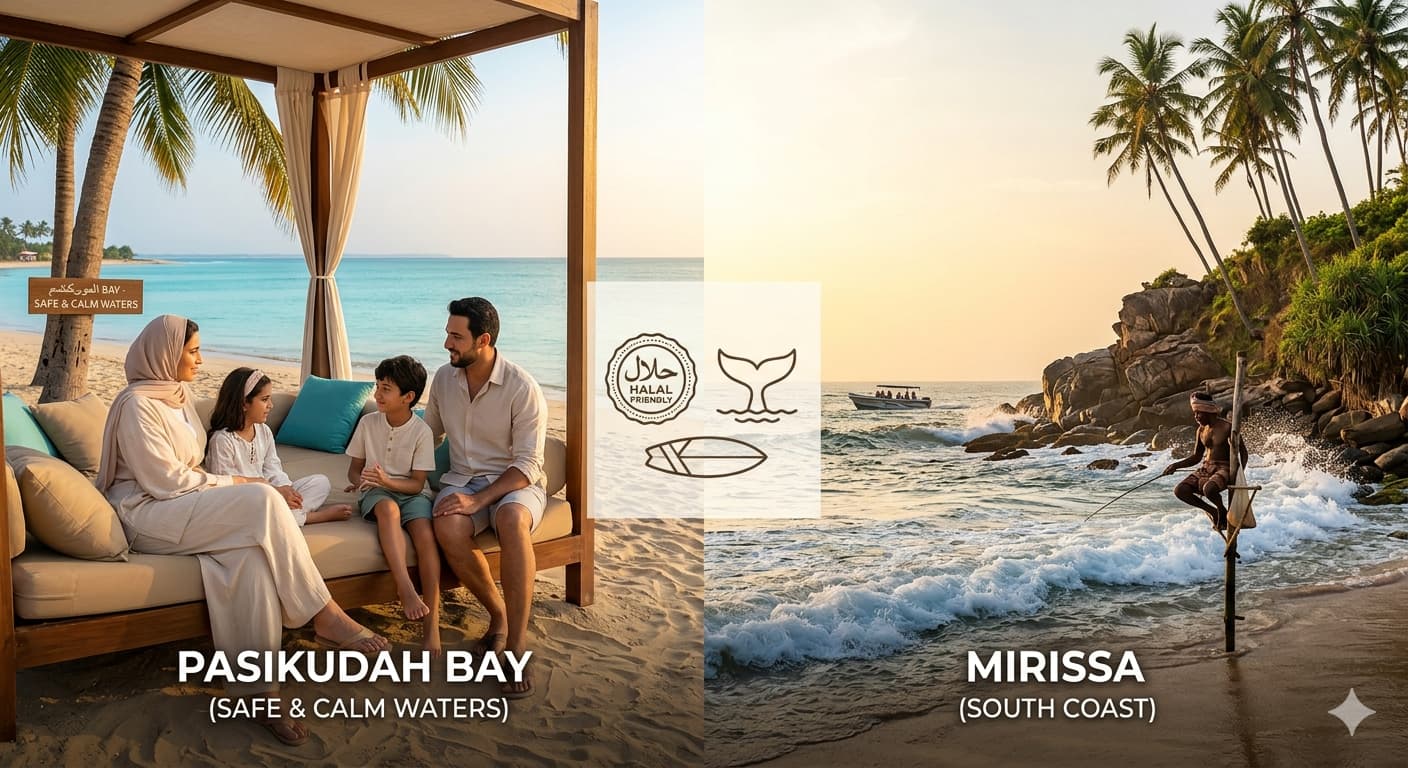
Sri Lanka's coastline stretches for over 1,600 kilometres, offering beaches to suit every taste. The south coast — Unawatuna, Mirissa, Tangalle — offers calm, clear waters perfect for swimming and snorkelling. The east coast — Arugam Bay, Pasikudah, Trincomalee — is famous for its pristine, uncrowded beaches and world-class surfing.
For Gulf tourists accustomed to the Maldives, Sri Lanka offers a comparable beach experience at significantly lower cost, with the added bonus of cultural richness, wildlife, and adventure activities that the Maldives cannot match.
Ancient History and Cultural Depth
The Cultural Triangle — encompassing the ancient cities of Anuradhapura, Polonnaruwa, and Sigiriya — offers a depth of historical experience that few destinations in Asia can match. The rock fortress of Sigiriya, rising 200 metres above the surrounding jungle, is one of the most spectacular archaeological sites in the world.
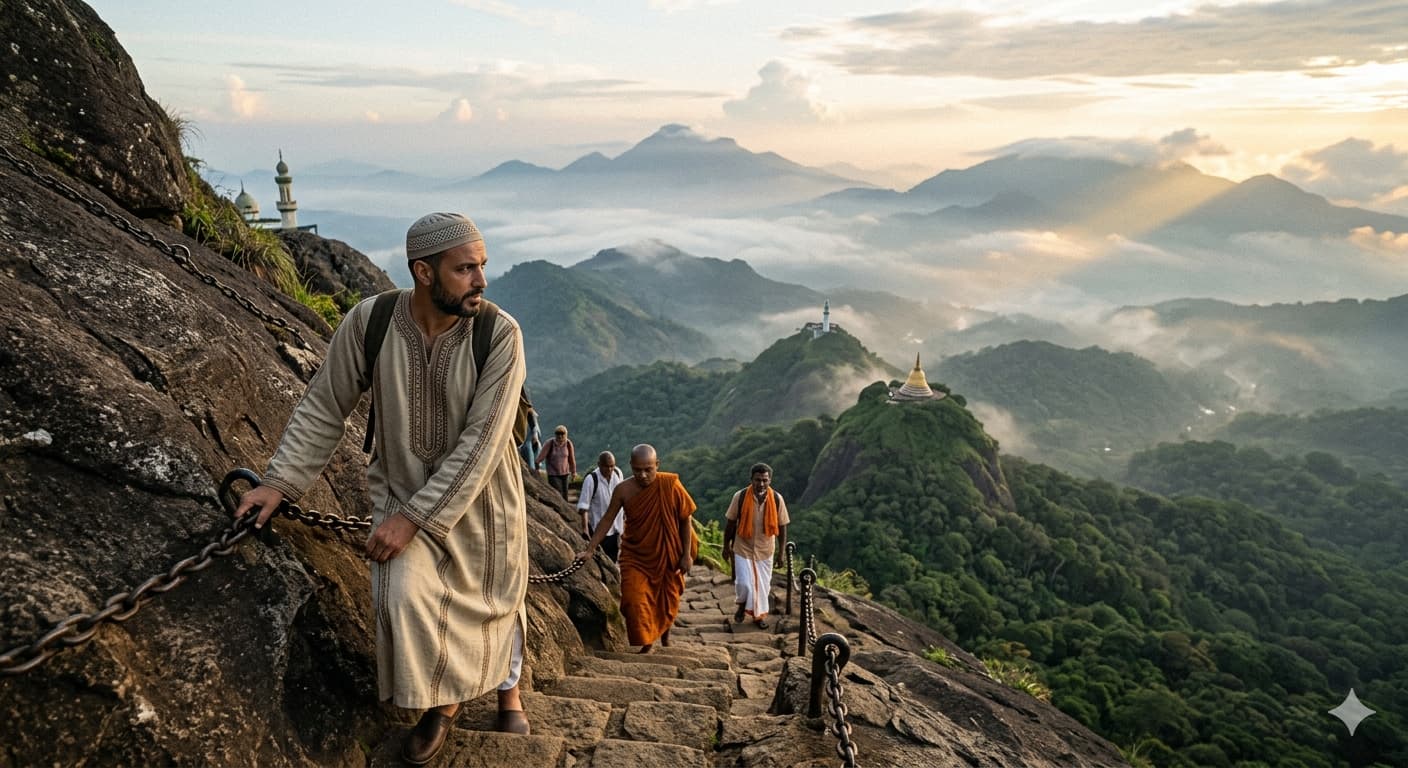
For Gulf tourists with an interest in Islamic heritage, Sri Lanka offers additional attractions: the ancient mosques of Beruwala and Galle, the Muslim quarters of Colombo's Pettah district, and the sacred sites associated with Adam's Peak — the mountain that Muslims believe bears the footprint of the Prophet Adam.
Wildlife: Elephants, Leopards, and Blue Whales
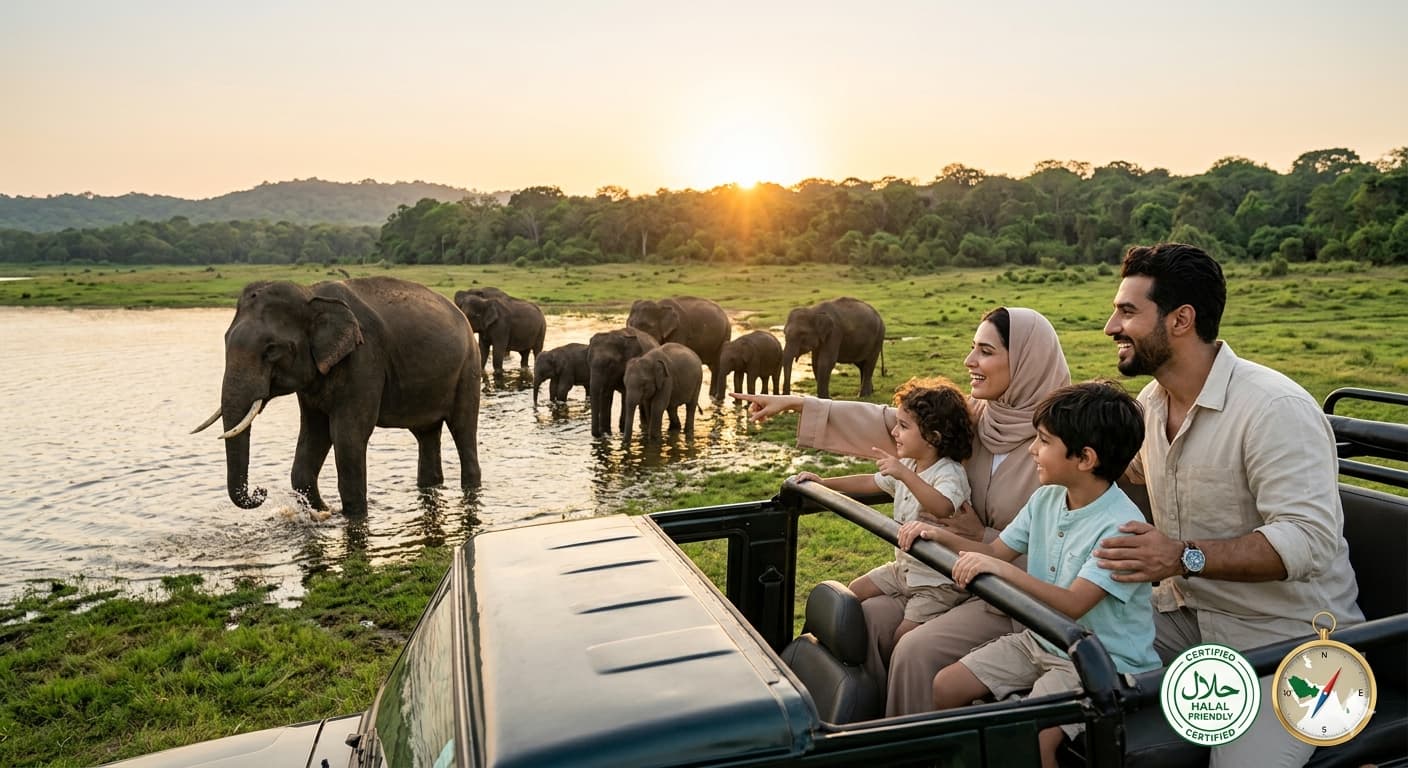
Sri Lanka has one of the highest densities of wildlife in Asia. Yala National Park is home to the world's highest concentration of leopards. Minneriya National Park hosts the famous "Gathering" — hundreds of wild elephants congregating around a reservoir. And the waters off Mirissa offer some of the best blue whale watching in the world.
For Gulf tourists, many of whom have limited access to wildlife experiences at home, Sri Lanka's wildlife is a major draw.
Practical Information for Gulf Visitors
- Visa: Citizens of UAE, Saudi Arabia, Qatar, Kuwait, Bahrain, and Oman can obtain a visa on arrival or apply online through the Electronic Travel Authorisation (ETA) system
- Flight time: 4–5 hours from Dubai, Abu Dhabi, Riyadh, or Doha
- Best time to visit: November–April for the west and south coasts; May–September for the east coast
- Currency: Sri Lankan Rupee (LKR); USD and major currencies widely accepted in tourist areas
- Language: English widely spoken in tourist areas
Frequently Asked Questions
Is Sri Lanka safe for tourists from the Middle East?
Yes, Sri Lanka is generally very safe for tourists. The country has a low crime rate, and tourists are treated with great hospitality. The Muslim community is well-integrated and visitors from Arab countries often find a warm welcome.
What are the best halal restaurants in Colombo?
Colombo has hundreds of halal-certified restaurants. The Pettah district and Maradana area have the highest concentration of halal eateries. Many five-star hotels also offer halal dining options. Look for the SLTDA halal certification mark.
Can I visit Adam's Peak from the Gulf?
Yes, Adam's Peak (Sri Pada) is accessible to all visitors. The pilgrimage season runs from December to May. The climb takes 3–4 hours and is considered a spiritual experience by Muslims, Buddhists, Hindus, and Christians alike.