A Community at the Crossroads
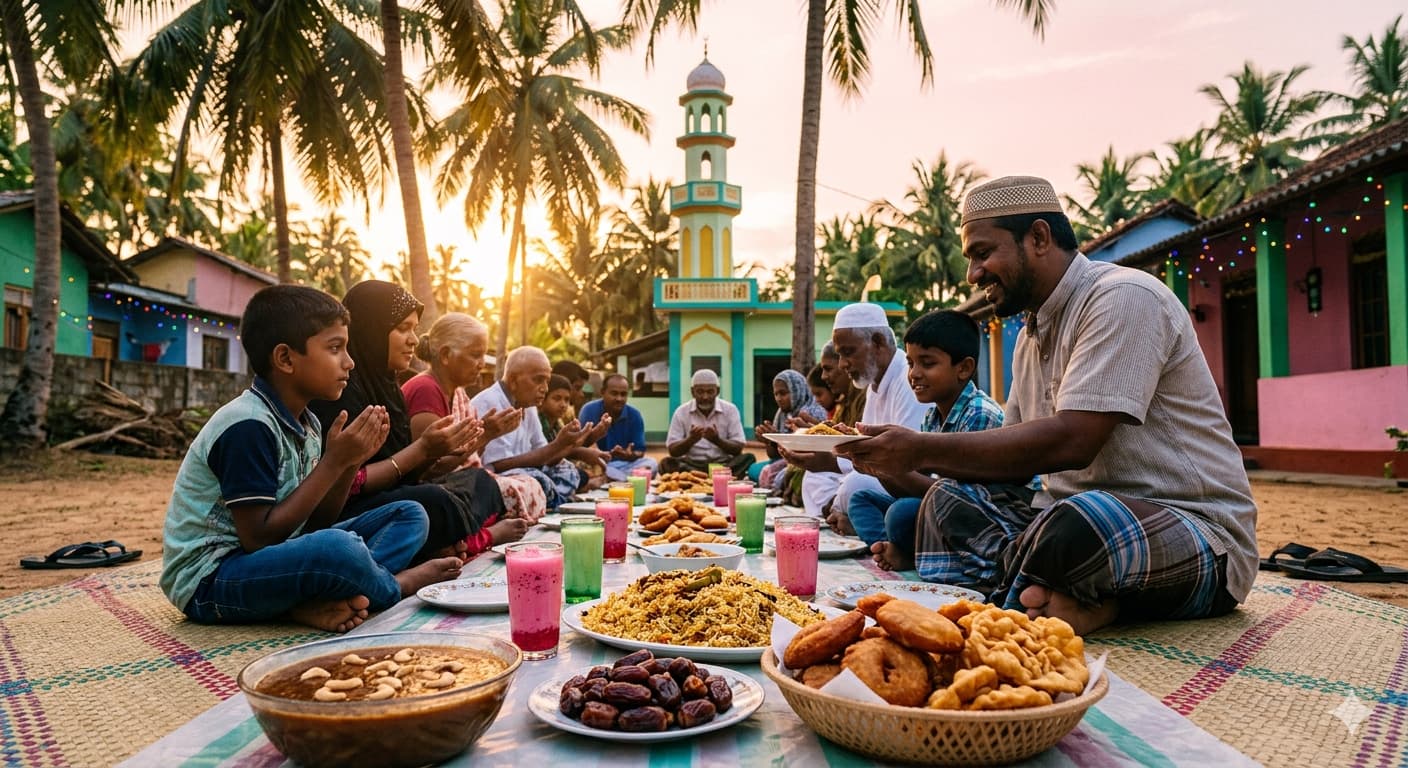
Sri Lankan Muslims — numbering approximately 1.9 million, or about 9% of the population — occupy a unique position in South Asian Islam. They are neither South Asian Muslims in the Indian subcontinent sense, nor Arab Muslims in the Gulf sense. They are something distinct: a community shaped by centuries of Arab trade, Malay migration, and deep integration into Sri Lankan society.
The Arab Heritage
The majority of Sri Lankan Muslims trace their ancestry to Arab traders who settled on the island's coasts between the 7th and 15th centuries. This Arab heritage is visible in surnames (many Sri Lankan Muslims have Arabic surnames like Farook, Hussain, and Ismail), in religious practice, and in certain cultural traditions.
The Arabic language holds a special place in Sri Lankan Muslim culture. While most Sri Lankan Muslims speak Tamil or Sinhala as their first language, Arabic is the language of prayer, religious education, and the Quran. Many Sri Lankan Muslim children attend Arabic classes at mosques alongside their regular schooling.
The Malay Connection
Sri Lankan Muslims also have a significant Malay component. The Sri Lanka Malays — descendants of soldiers, administrators, and exiles brought from the Dutch East Indies during the colonial period — have largely merged with the broader Muslim community while maintaining some distinct cultural practices.
Cultural Bridges: Sri Lankan Muslims in the Gulf
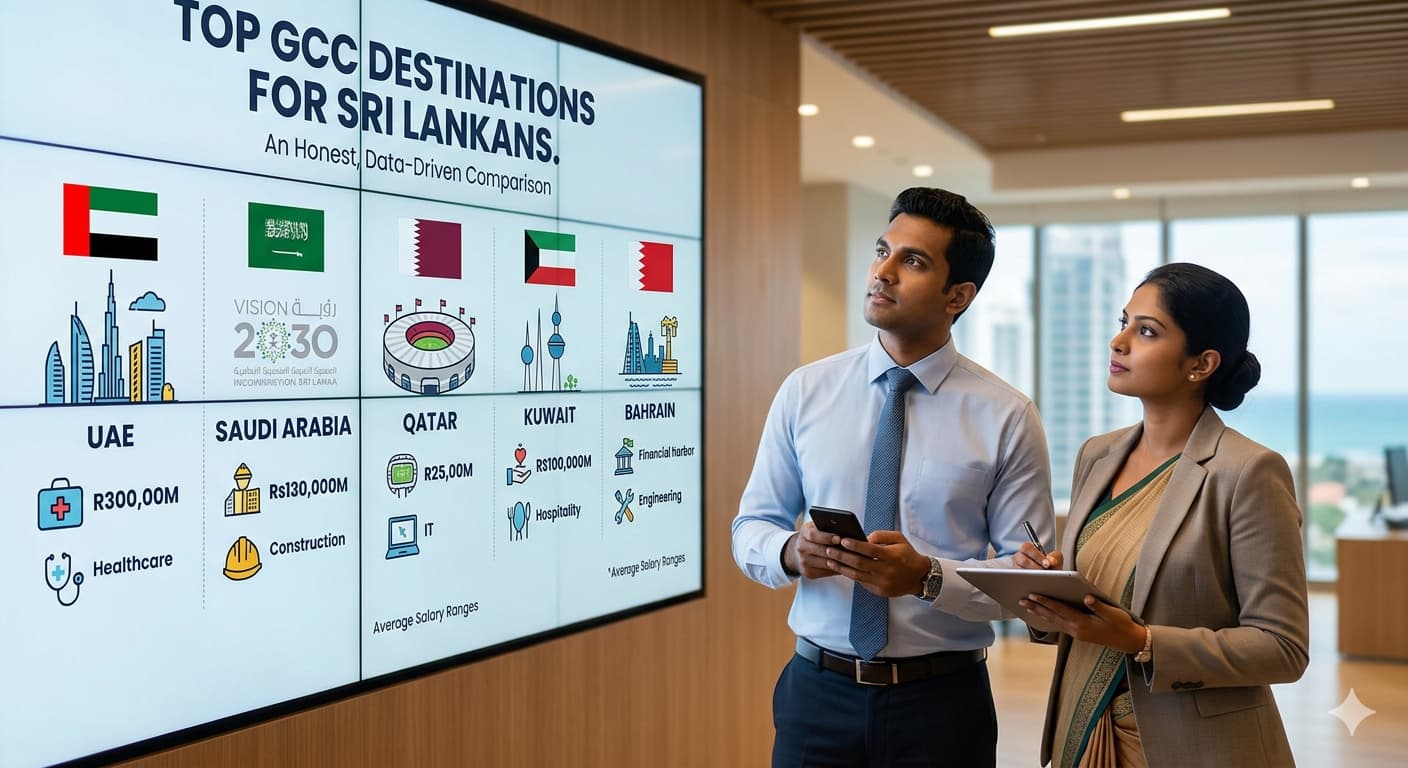
The large Sri Lankan Muslim community in Gulf countries plays a unique bridging role. They are comfortable in both Sri Lankan and Arab cultural contexts, often serving as cultural interpreters and business facilitators between the two worlds. Many Sri Lankan Muslim professionals in the Gulf have built successful careers precisely because of their ability to navigate both cultures.
Challenges and Resilience
Sri Lankan Muslims have faced significant challenges, particularly in the aftermath of the 2019 Easter Sunday bombings, which were carried out by a small extremist group but led to widespread discrimination against the broader Muslim community. The community has shown remarkable resilience, working to rebuild trust and reaffirm its commitment to Sri Lanka's pluralistic values.
Frequently Asked Questions
What language do Sri Lankan Muslims speak?
Most Sri Lankan Muslims speak Tamil as their first language, particularly in the eastern and northern provinces. In the western and southern provinces, many Sri Lankan Muslims speak Sinhala. Arabic is used for religious purposes.
What is the difference between Sri Lankan Moors and Sri Lanka Malays?
Sri Lankan Moors are the descendants of Arab traders who settled in Sri Lanka. Sri Lanka Malays are the descendants of people brought from the Dutch East Indies (modern Indonesia and Malaysia) during the colonial period. Both groups are Muslim and have largely merged into a single community.